

Japanese Calendar
Quick start: pick dates, then choose the best next guide.
1 Check the full-year view
Compare seasons, holidays, and travel windows at a glance.
2 Pick the best season
Open a timing hub for the season you’re aiming for.
3 Browse cultural itineraries
Turn your chosen dates into a 1–3 day culture-first plan.
4 Enjoy interactive trip planning
Use The Wa Story tools to draft, compare, and refine your plan.
Want festivals (not just timing)? Shortlist cherry-blossom festival spots by timing and region, then confirm dates and updates on the final link.
Winter Highlights
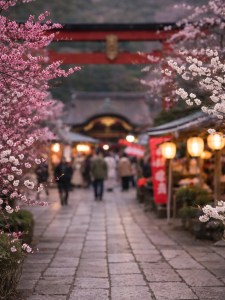
Ume Matsuri in Japan: Best Time, Best Places & How to Enjoy
Plum blossom in Japan ← Back to Seasonal Events in Japan Ume Matsuri (梅まつり) are Japan’s plum blossom…

Exciting Seasonal Events in Japan | Travel & Culture Calendar 2026
← Back to Plan Your Trip Events in Japan Discover Japan’s Seasonal Festivals and Traditions Japan’s cultural calendar…
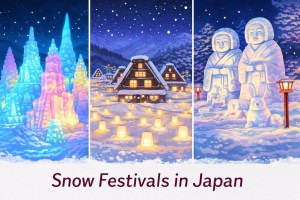
Snow Festivals in Japan: Nationwide Guide (Official Links in English)
Snow festivals in Japan Japan’s snow festivals are a winter-only mix of giant snow sculptures, lantern nights, icy…
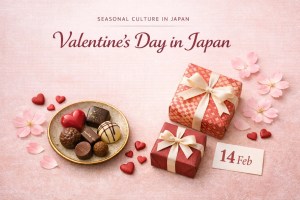
Happy Valentine’s Day in Japan: Chocolate Traditions, Meanings & Travel Tips
Valentine’s Day in Japan Valentine’s Day in Japan looks familiar at first glance—hearts, chocolate, and sweet messages— but…

Christmas in Japan: Traditions, Meaning, and What’s Different
Christmas in Japan Seasonal Japanese Stories Christmas in Japan: Traditions, Meaning, and What’s Different Christmas in Japan feels…
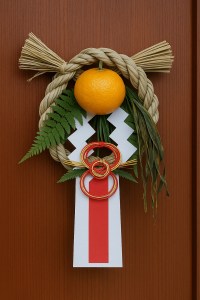
Shimekazari Meaning: Japanese New Year Decorations Explained
Shimekazari meaning Seasonal Japanese Stories Shimekazari Meaning: Japanese New Year Door Decorations Explained Even outside December, understanding the…

Kagami Mochi Meaning: Japanese New Year Tradition Explained
Kagami mochi meaning Seasonal Japanese Stories Kagami Mochi: Meaning, Symbolism, and the Japanese New Year Tradition Even after…
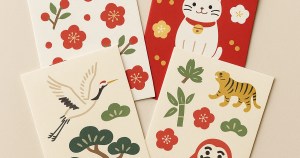
Otoshidama: Japanese New Year Money Gifts
Japanese Otoshidama Otoshidama is one of the most anticipated traditions of the Japanese New Year—especially for children. It’s…
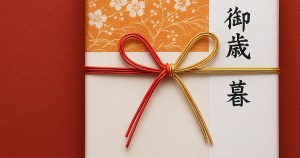
Oseibo: Japan’s Year-End Gift Tradition (What, When, and Why It Matters)
Japanese Oseibo gift In Japan, the end of the year is not only a time for reflection but…
Calendar Related Articles


-
Spring (Haru): March–May — warming weather, flowers, start of festival season.
Trip ideas: Tokyo in spring: 3-day cultural itinerary , Kansai spring cultural itinerary -
Early Summer / Rainy Season (Tsuyu):
June — hydrangeas, indoor culture, softer travel pace.
Trip ideas: Hydrangea & rainy-season flower guide -
Summer (Natsu):
July–August — matsuri peak, fireworks, heat-aware planning.
Trip ideas: Summer festivals & fireworks - Early Autumn (Aki): September — cooler evenings, harvest themes, transition festivals.
-
Autumn Leaves Season (Koyo):
October–November — foliage peaks, gardens, temple visits.
Trip ideas: Autumn cultural itinerary (Coming soon) , Japanese gardens in autumn -
Winter (Fuyu):
December–February — New Year culture, snow regions, hot springs.
Trip ideas: Winter culture & travel ideas
Japanese Calendar (English)
Basics
- Gregorian Year:
- Wareki (Era):
- Eto (Stem-Branch):
Major 8 Sekki
List of National Holidays
Holiday dates are based on data from the Japanese government and related public sources.
Rokuyō – Meanings & Tips
- Taian — Very auspicious. Best for weddings, contracts, openings, moving.
- Tomobiki — “Pull together.” Good for weddings. Avoid funerals.
- Senshō — “Win by acting early.” Good in the morning; quick decisions. Avoid major contests in the afternoon.
- Senpu / Senmake — “Acting first loses.” Unlucky in the morning. Better in the afternoon; go calmly.
- Shakkō — Fiery energy. Only 11:00–13:00 is lucky. Avoid contracts/groundbreaking at other times.
- Butsumetsu — Generally inauspicious. Avoid celebrations, openings, weddings. Good for planning, learning, quiet starts.
* Rokuyō is a traditional custom-based guide; interpretations may vary by region and faith.
External Resources