


Hida takayama cultural itinerary
← Back to Cultural Itineraries
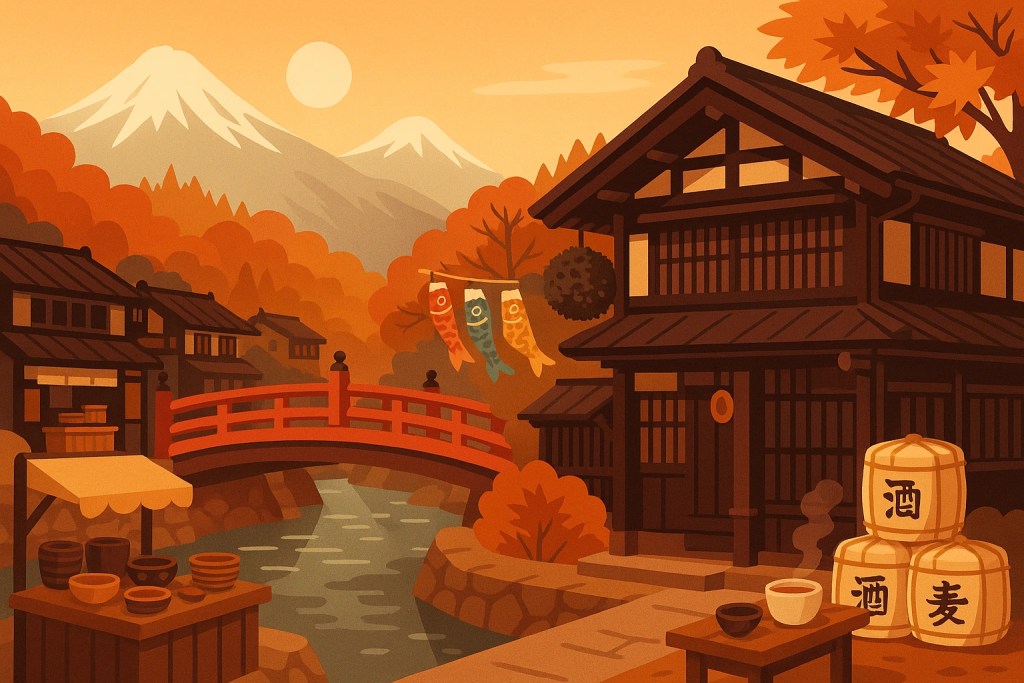
A one-day, culture-first plan in Hida Takayama (Gifu)—old town alleys, woodworking and lacquer, and seasonal festivals. Theme: “Wood & Sake Stroll” (Morning Market → Wood Studio → Sake Brewery).
Quick Facts
- Base: Takayama Old Town (Sanmachi) + Miyagawa & Jinya Morning Markets
- Theme: “Wood & Sake Stroll” — morning market → wood/lacquer studio → sake brewery
- Pace: Slow–medium; 3 blocks with tea and snack pauses
- Moves: No hotel move; compact on foot + brief bus or taxi if needed
- Best Seasons: Spring/Autumn; festival days (April 14–15 & Oct 9–10) are crowded but spectacular
- Passes: IC cards widely accepted; JR Takayama Line access (reserve Limited Express where possible)
- Budget tier: ¥¥ (see Budget)
- Map: See Access & Map
- Accessibility: See Accessibility & Family
Contents
What makes Hida Takayama different?
Hida Takayama is where traditional town life remains closely connected to craft and nature. Tucked in the mountains of central Japan, this former castle town developed a culture shaped by skilled carpentry, local trade, and a strong sense of everyday community.
What you experience here is not grand scale or formality, but a lived-in atmosphere — from preserved streets and morning markets to the legacy of Hida craftsmanship seen in architecture and daily tools.
If Kanazawa feels refined and Shirakawa-go feels rural, Takayama feels human and balanced — a place where culture is not displayed, but quietly lived through work, routine, and local tradition.
How to Use — Hida Takayama Cultural Itinerary
Enter the morning market at opening for quiet browsing, place a wood or lacquer experience mid-day, and end with a brewery visit. Pre-book workshops and tastings; keep lunch light; add a tea stop every 2–3 hours.
Itinerary — Hida Takayama Cultural Itinerary
Accessibility links are listed at the bottom of this page.
-
Day 1 — Wood & Sake Stroll (Old Town)
Morning
Miyagawa and Jinya Morning Markets at opening; seasonal produce, sweets, and crafts. Ask vendors before close-up photos; keep lanes clear.
Afternoon
Wood or lacquer studio introduction (Hida woodworking or Hida Shunkei). Observe tool areas; sleeves tidy; learn grain, joinery, and clear-lacquer care.
Evening
Sake brewery stroll in Sanmachi; short tasting flight and shop. ID may be requested; pace tastings with water and snacks.
Cultural connection: townscape craft economy; mingei lens through everyday objects; sake as seasonal expression.
Traditional & Local Foods
Hida Takayama’s food culture reflects mountain town life, local markets, woodworking communities, and strong seasonal traditions. This section focuses on foods with cultural meaning rather than sightseeing-oriented gourmet picks.
Quick taste summary: Takayama flavors often feel hearty, clear, and regional rather than urban or highly stylized. Many dishes highlight mountain ingredients, local preservation methods, miso, sake culture, and foods that suit cooler weather and everyday craft-town life.
Core Cultural Foods
- Hida beef: the most widely known regional specialty, now strongly associated with Takayama. Taste-wise, it is rich, tender, and full-flavored, but often served in ways that let the quality of the meat stay central.
- Takayama ramen: one of the town’s everyday signature foods. Taste-wise, it is usually lighter and more soy-forward than richer modern ramen styles, which suits the town’s older atmosphere.
- Morning market foods: small local snacks, pickles, rice products, and sweets reflect Takayama’s day-to-day market culture. Taste-wise, these often feel simple, seasonal, and rooted in local routine.
Secondary Local Specialties
- Hoba miso: a mountain-region dish associated with older household cooking. Taste-wise, it is savory, fragrant, and slightly smoky, often eaten warm with rice.
- Pickles and preserved foods: these suit the region’s climate and older food habits. Taste-wise, they bring salt, acidity, and contrast rather than heavy richness.
- Craft-town sweets and tea stops: Takayama’s pace suits pauses in small cafés and traditional shops. Taste-wise, sweets are often modest and best matched with tea or a rest during walking.
Traditional Drinks
- Sake brewery culture: one of Takayama’s clearest cultural experiences, especially in Sanmachi. Taste-wise, local sake often feels clean, slightly rounded, and well matched to cooler weather and local dishes.
- Tea pauses: tea fits naturally with market browsing and craft exploration. Taste-wise, it provides a lighter, calmer contrast to richer regional foods.
If this may suit your taste: Hida Takayama may be a good match if you enjoy sake, market food culture, local ramen, mountain-region flavors, and regional specialties that feel tied to climate and daily life. It may feel less ideal if you mainly want highly delicate kaiseki-style refinement or big-city food variety.
Best fit within this itinerary: market snacks or a light local breakfast fit the morning; a simple lunch works well before a studio visit; the evening naturally pairs with sake tasting and a regional dinner such as Hida beef, ramen, or hoba miso.
Seasonal & Rainy Swaps
- Rainy: extend studio tour; add museum or craft gallery; warm café stops near Sanmachi.
- Spring: festival period around April 14–15; start earlier and book tastings.
- Summer: outdoors early or late; interiors mid-day; hydrate and rest in shade.
- Autumn: foliage + Oct 9–10 festival; avoid peak hours 11:00–14:00.
- Winter: clear air; watch for slick streets; add warm tea breaks.
Etiquette & Handy Phrases
- Markets: greet vendors; handle items gently; avoid blocking stalls when photographing.
- Studios: follow staff routes; don’t touch drying racks; short nails and no rings/watches for hands-on.
- Sake: legal drinking age 20; spit cups are available in some tastings; overdrinking is discouraged.
Phrases (romaji): “Shashin yoroshii desu ka?” / “Sawatte mo ii desu ka?” / “O-susume wa nan desu ka?” / “Arigatō gozaimashita.”
Accessibility — Hida Takayama Cultural Itinerary
Note: We do not accept questions about this itinerary. For hours, access, and on-site accessibility, please use the official links below.- Old Town & Morning Markets: Use the city’s Hida-Takayama Walking Map (EN, PDF). It marks multi-purpose and ostomate toilets and notes places that are not wheelchair-accessible.
- Takayama Jinya: See the official English site for user guide and access information.
- Hida Folk Village (Hida no Sato): The official English pamphlet (PDF) includes a site map, facilities, and ticket notes. Paths are hilly, so allow extra time.
- Festival periods: The city’s Takayama Festival brochure (EN, PDF) shows barrier-free restrooms, accessible seating, and wheelchair facilities on the route map.
- City buses: Route info for Machinami & Sarubobo buses (EN) and the Takayama City Line (EN).
- Tourist Information: The Hida-Takayama Tourist Information Office (EN) provides multilingual maps and can advise on barrier-free routes and current conditions.
Tip: Surfaces in the preservation district include stone and uneven paving. When rain or snow is forecast, plan shorter outdoor blocks and use museums or covered streets as mid-day swaps.
Access & Map
- From Tokyo: Tokaidō Shinkansen to Nagoya → JR Ltd. Exp. “Hida” to Takayama; or Hokuriku Shinkansen to Toyama → JR to Takayama.
- From Kyoto/Osaka: Shinkansen to Nagoya → JR “Hida” to Takayama.
- From Kanazawa/Toyama: Hokuriku Shinkansen to Toyama → JR to Takayama.
- Airports: Chubu Centrair (NGO) for Nagoya connection; Komatsu (KMQ) / Toyama (TOY) for Hokuriku side.
- Getting around: Old Town is walkable; local buses reach Hida Folk Village and other sites; taxis are useful for short hops.
- Pass / IC: Suica/PASMO/ICOCA work on JR gates; bus IC acceptance varies, so carry small cash just in case.
- Accessibility: Takayama Station has elevators; some heritage streets have slopes and cobbles, so allow extra time.
Takayama Station, Hida-Furukawa Station, Sanmachi (Old Town), Takayama Jinya, Hida Folk Village, Miyagawa Morning Market, Shirakawa-go (Ogimachi)
Budget
| Item | ¥ Range | Notes |
|---|---|---|
| Transport (within Takayama) | ¥500–¥1,200 | Walk for Old Town; local buses or taxis for Hida Folk Village and outlying sights. |
| Admission | ¥0–¥1,500 | Many streets are free; typical sites such as Jinya, Folk Village, and museums have modest fees. |
| Food / Tea | ¥2,000–¥4,000 | Casual lunch + café or snack; dinner depends on choice. |
| Optional | ¥0–¥4,000 | Workshops, extra exhibits, short taxi segments, or day-trip buses. |
| Total (per person / day) | ¥5,000–¥11,000 | Tier: ¥¥ (standard) |
¥ = frugal (<¥5,000) · ¥¥ = standard (¥5,000–¥12,000) · ¥¥¥ = comfort (>¥12,000)
*Intercity rail (Nagoya/Toyama/Kanazawa ↔ Takayama) and airport transfers are extra; seasonal events may affect prices.
EXPLORE
Popular next itineraries and Japanese culture
Choose your next route by interest: start with well-known cities, go deeper culturally, or explore from a different angle.
Start with well-known cities
Go deeper culturally
Try a different perspective
Planning a trip? Use the Trip Planner to turn these ideas into a culture-first itinerary.
Official Resources
Want a tailored version? Plan with our Concierge.
You must be logged in to post a comment.