
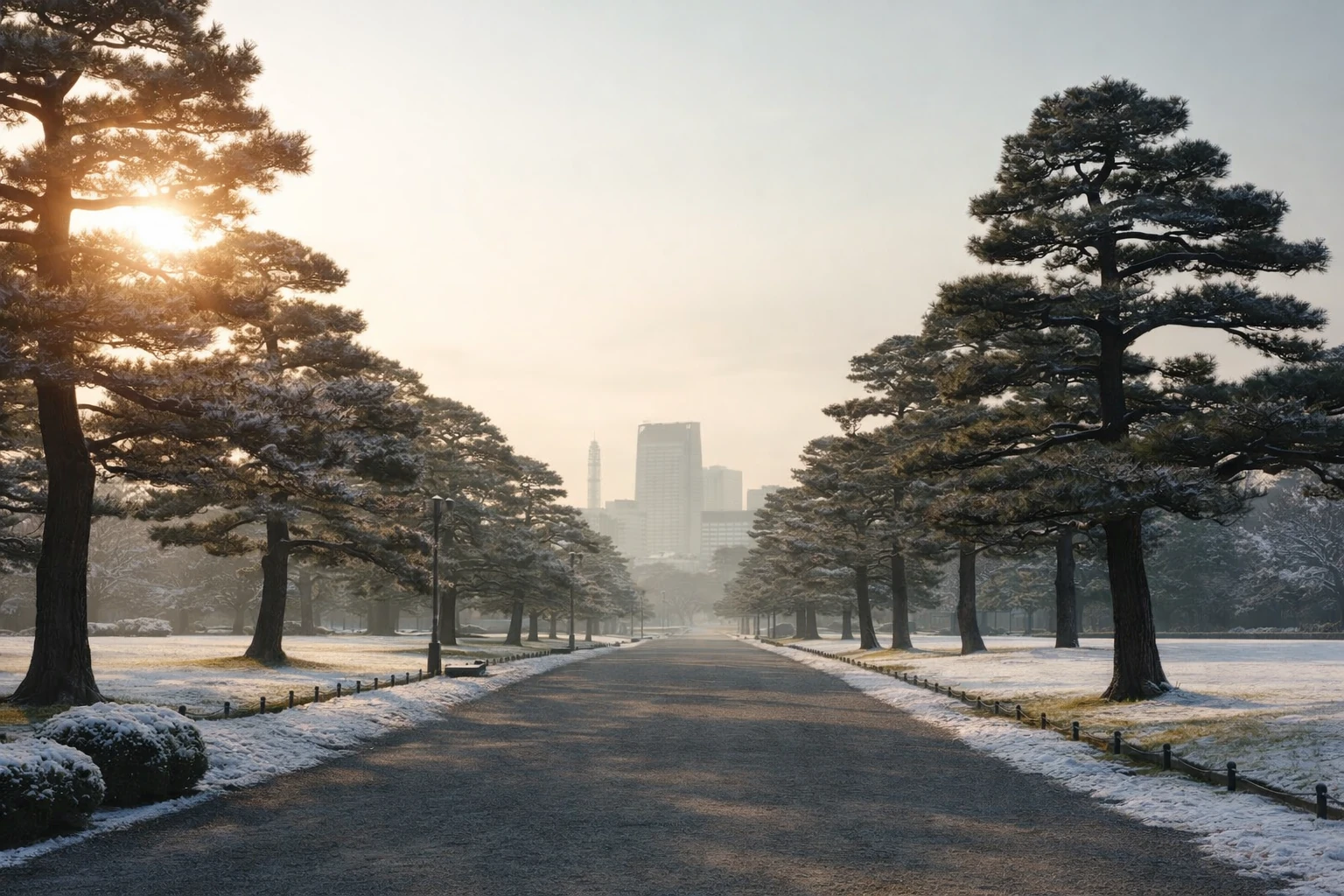

Emperor’s Birthday in Japan
Quick Summary: Japan’s Emperor’s Birthday (天皇誕生日, Tennō Tanjōbi) is a national holiday that honors the birthday of the reigning Emperor—currently observed on February 23.
- What it is: A modern public holiday that recognizes the Emperor as Japan’s symbolic head of state.
- How it feels: Quiet, respectful, and low-key—more “shared well-wishes” than a loud parade.
- For travelers: Some years include a special public visit to the Imperial Palace area (details change year to year).
- Best way to enjoy: Plan a calm winter day in Tokyo, watch for seasonal displays, and follow local etiquette.
Emperor’s Birthday in Japan often surprises visitors because it’s both simple and deeply symbolic. There may be no fireworks, yet the day still carries a quiet sense of continuity—one of those moments when Japan’s “everyday rhythm” and “national story” gently overlap.
What is the Emperor’s Birthday?
The Emperor’s Birthday is a national holiday that marks the birthday of the reigning Emperor. In modern Japan, the Emperor’s role is defined as a symbol of the state—so this holiday is less about politics and more about shared well-wishes, public courtesy, and a sense of cultural continuity.
If you’re visiting Japan, think of it as a “quiet national day”: many people simply enjoy a day off, spend time with family, and—when available—some choose to participate in official public greetings in Tokyo.
When is it, and why February 23?
The date is set by law as February 23, which corresponds to the birthday of the current Emperor. (Historically, the holiday date changes when a new Emperor ascends to the throne.)
How Japan observes the day today
For many residents, the day is simple: a winter public holiday with a calm atmosphere. In Tokyo, the Imperial Palace area may become a focal point if public greetings are scheduled. Elsewhere, the holiday is often experienced the same way many Japanese holidays are: by enjoying seasonal food, local strolls, and a slower pace.
Cultural rationale (the “why”): Japan places high value on keeping social life steady and respectful—especially in public. A holiday like this works as a “soft reminder” of continuity: you don’t have to do much to participate; you simply align with the day’s tone.
Can visitors go to the Imperial Palace?
In some years, the Imperial Household Agency provides procedures for a general public greeting connected to the Emperor’s Birthday. Because schedules, entry routes, and security rules can change, the safest approach is to check the official page close to your travel dates.
Tip: even if you don’t attend a greeting, the broader area (Marunouchi / Hibiya / Ginza) makes a pleasant winter day out—museums, cafés, and calm evening walks pair well with the holiday’s quiet mood.
Travel tips for February 23
- Expect “holiday pacing”: some businesses close or shorten hours, while tourist areas may be busier.
- Check transit and attraction notices: timetables and entry systems can differ on national holidays.
- Etiquette helps: if you see flag displays or formal settings, keep photos unobtrusive and follow staff guidance.
- Dress for late winter: Tokyo can be crisp; layers make walking days comfortable.
Trivia
- The name you may see: 天皇誕生日 (Tennō Tanjōbi) is the modern holiday name.
- Imperial Palace “public moments” are rare: the New Year Greeting and the Emperor’s Birthday are among the best-known occasions.
- Why it feels understated: many Japanese holidays are designed to be easy to join—more about shared timing than big performances.
FAQ
Is the Emperor’s Birthday always on February 23?
It is currently observed on February 23. Historically, the date changes with the reigning Emperor.
Do I need a ticket to attend a public greeting?
Procedures vary by year. Always confirm the latest rules, entry times, and routes on the official Imperial Household Agency guidance.
Is it appropriate to say “Happy Emperor’s Birthday” in Japan?
Visitors typically don’t say it casually to strangers. If the topic comes up, a neutral, respectful tone is best.
Related guides
Official resources
Official sources in English
- Act on National Holidays (English translation)
- Imperial Household Agency: General public greeting (overview)
- Imperial Household Agency: Emperor’s Birthday public visit (procedures, example)
Official source in Japanese
- Cabinet Office (Japan): About National Holidays (Japanese) (Use browser translate if needed.)