

Japanese alcohol guide
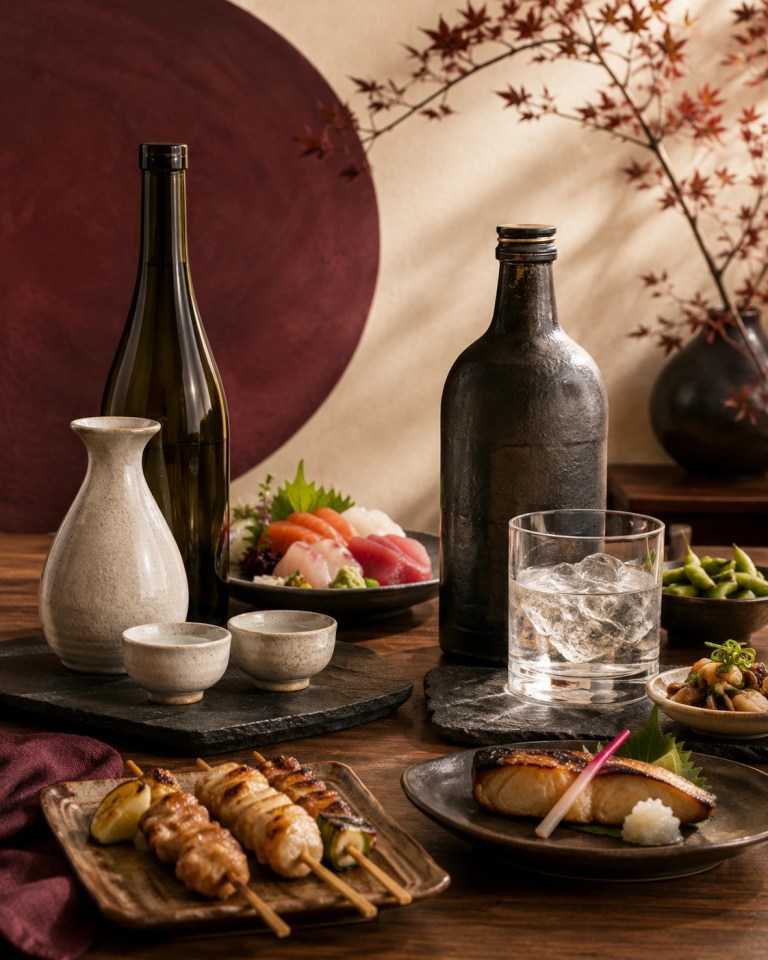
Japanese alcohol is more than sake. This Japanese alcohol guide introduces the main drinks travelers may encounter in Japan, from sake and shochu to umeshu, awamori, beer, whisky, wine, and regional liqueurs.
Each drink carries a different connection to ingredients, climate, local food, craft knowledge, and social customs. Sake reflects rice, water, koji, and brewery towns. Shochu often expresses southern Japan’s local crops and everyday food culture. Awamori belongs deeply to Okinawa and Ryukyu history. Meanwhile, beer, whisky, wine, and fruit liqueurs show how modern Japan has adapted global drinks into local life.
This guide is designed as a cultural starting point. It explains the main types of Japanese alcohol, how they differ, where they are associated with, how people enjoy them, and what visitors should know about etiquette and responsible drinking in Japan.
Quick Summary
| Main theme | Japanese alcoholic drinks as part of food culture, regional identity, travel, and everyday social life |
|---|---|
| Major traditional drinks | Sake, shochu, umeshu, and awamori |
| Modern drinks in Japan | Beer, whisky, wine, craft beer, fruit liqueurs, cocktails, highballs, and non-alcoholic options |
| Regional links | Sake regions, Kyushu shochu culture, Okinawan awamori, Yamanashi wine, Hokkaido beer and whisky, and local fruit liqueurs |
| Common places to try them | Izakaya, restaurants, ryokan dinners, breweries, distilleries, wineries, festivals, and tasting rooms |
| Important note | Alcohol in Japan is for people aged 20 and over. Drink responsibly and follow local rules. |
What Is Japanese Alcohol Culture?
Japanese alcohol culture is not only about the drink in the glass. It is also about when people drink, what they eat with it, who they share it with, and how the drink reflects the place where it was made.
In Japan, alcohol often appears in social settings: a casual izakaya meal after work, a small toast at a celebration, a seasonal festival, a ryokan dinner, or a tasting at a local brewery. Some drinks are strongly tied to tradition, while others are modern, playful, and everyday.
The best way to understand Japanese alcohol is to see it as part of a larger cultural web. Rice, water, koji, barley, sweet potatoes, grapes, fruit, cold winters, warm southern climates, port towns, and local cuisine all shape what people drink and how they enjoy it.
Main Types of Japanese Alcohol
Japan has several major categories of alcoholic drinks. Some are traditional, some are modern, and many have regional stories behind them.
| Drink | What It Is | Cultural Angle |
|---|---|---|
| Sake | A brewed rice-based drink made with rice, water, koji, and yeast | Connected to rice culture, shrines, seasonal food, brewery towns, and regional water |
| Shochu | A distilled spirit made from ingredients such as sweet potato, barley, rice, buckwheat, or brown sugar | Especially important in Kyushu and often enjoyed with local food |
| Umeshu | A sweet plum liqueur made by steeping ume fruit in alcohol and sugar | Approachable, fruity, often enjoyed on the rocks, with soda, or as a gentle after-dinner drink |
| Awamori | Okinawa’s traditional distilled spirit, often associated with black koji and aging culture | Closely tied to Ryukyu history, Okinawan food, and island identity |
| Beer | A modern everyday drink, from major brands to local craft breweries | Common at izakaya, festivals, beer gardens, baseball games, and casual meals |
| Whisky | A distilled and aged spirit produced by Japanese distilleries | Linked to craftsmanship, highballs, bar culture, and distillery tourism |
| Wine | Japanese grape wine, especially associated with regions such as Yamanashi, Nagano, and Hokkaido | Connected to local agriculture, winery visits, and regional food pairings |
| Fruit liqueurs and local drinks | Drinks made with regional fruits, herbs, tea, or other local ingredients | Often reflects local produce and souvenir culture |
How Japanese Drinks Differ
The main differences come from production method, ingredients, strength, flavor, and drinking style. Sake is brewed, while shochu and awamori are distilled. Umeshu is a fruit liqueur. Beer, whisky, and wine follow their own production traditions, but Japan has developed local styles around them.
This page gives the broad picture. For a focused comparison between Japan’s two best-known traditional drinks, see our Sake vs Shochu in Japan guide.
| Drink | Basic Method | Typical Impression | Best Understood Through |
|---|---|---|---|
| Sake | Brewed | Rice-based, smooth, delicate, sometimes fruity or umami-rich | Rice, water, koji, brewing region, food pairing |
| Shochu | Distilled | Flexible, earthy, clean, aromatic, or rich depending on the base ingredient | Ingredient, region, serving style, local food |
| Umeshu | Fruit steeped in alcohol | Sweet, fruity, easy to approach | Ume fruit, sweetness, soda, ice, dessert-like pairings |
| Awamori | Distilled | Strong, distinctive, often complex when aged | Okinawan food, Ryukyu history, black koji, kusu aging |
| Beer | Brewed | Crisp, casual, social | Izakaya, festivals, beer gardens, sports, fried food |
| Whisky | Distilled and aged | Aromatic, smooth, smoky, or delicate depending on style | Highballs, bars, distilleries, blending culture |
| Wine | Fermented grapes | Light, fresh, mineral, aromatic, or food-friendly depending on region | Grape-growing areas, wineries, local cuisine |
Regional Alcohol Culture in Japan
Many Japanese drinks make the most sense when seen regionally. Climate affects brewing and aging. Local crops shape ingredients. Food culture influences how people drink. A glass of sake in a snowy rice region, shochu in southern Kyushu, awamori in Okinawa, or wine in Yamanashi tells a local story.
| Region | Drink Association | Cultural Note |
|---|---|---|
| Niigata | Sake | Known for rice, snow-country brewing conditions, and clean sake styles |
| Hyogo / Nada | Sake | One of Japan’s historic sake brewing areas, connected to water, rice, and port access |
| Kyoto / Fushimi | Sake | Known for soft water, traditional townscapes, and long brewing history |
| Hiroshima / Saijo | Sake | A major sake area with brewery streets and a strong brewing identity |
| Kagoshima | Sweet potato shochu | Deeply tied to local agriculture, pork dishes, and everyday southern drinking culture |
| Miyazaki | Shochu | Known for shochu made from several ingredients, including sweet potato, barley, and rice |
| Okinawa | Awamori | Part of Okinawan and Ryukyu identity, often enjoyed with island cuisine |
| Yamanashi | Wine | Japan’s best-known wine region, especially connected to grapes and winery tourism |
| Hokkaido | Beer, whisky, wine, and craft drinks | Cold climate, agriculture, and modern craft culture support a wide drinking landscape |
For a broader prefecture-by-prefecture view, use the regional companion guide below.
How Japanese Alcohol Is Enjoyed
Japanese alcohol is often shaped by setting. A drink at an izakaya, a brewery tasting, a ryokan dinner, a local festival, or a quiet bar can feel completely different, even when the drink itself is similar.
Izakaya
Izakaya are casual places where drinks and small dishes are ordered together. Beer, sake, shochu, highballs, umeshu, sours, tea, and non-alcoholic drinks may all appear on the same menu.
Ryokan dinners
At a traditional inn, alcohol is often paired with seasonal dishes. Local sake, beer, wine, or shochu may be offered as part of the dining experience.
Festivals and events
Drinks appear at summer festivals, beer gardens, food events, sake festivals, and local markets. The atmosphere may be casual, but public manners still matter.
Breweries, distilleries, and wineries
Visiting a brewery, distillery, or winery can turn a drink into a cultural experience. Travelers can learn about ingredients, production spaces, local water, aging, tasting etiquette, and regional pride.
Bars and highball culture
Japanese whisky and highballs are closely tied to modern bar culture. A highball may appear in casual izakaya, while whisky bars can be more focused on craftsmanship, glassware, and quiet atmosphere.
Food Pairing and Local Taste
Japanese drinks are often easiest to understand with food. Instead of choosing a drink by name alone, it helps to ask what people usually eat with it in that region.
| Drink | Often Pairs With | Cultural Note |
|---|---|---|
| Sake | Sashimi, sushi, grilled fish, simmered dishes, pickles, tempura, seasonal vegetables | Often used to highlight umami and seasonality |
| Shochu | Grilled meat, pork dishes, hot pots, fried foods, local Kyushu cuisine | Flexible serving styles make it useful with rich or everyday food |
| Umeshu | Light appetizers, desserts, fruit, cheese, or casual izakaya dishes | Sweet and approachable, often enjoyed by people who prefer softer flavors |
| Awamori | Okinawan pork dishes, goya champuru, tofu, seaweed, island vegetables | Best understood with Okinawan food rather than as a stand-alone novelty |
| Beer | Yakitori, karaage, gyoza, okonomiyaki, festival foods | Strongly associated with casual meals and group settings |
| Whisky highball | Fried foods, grilled dishes, izakaya plates, rich sauces | Popular because it feels crisp, refreshing, and food-friendly |
| Wine | Local beef, vegetables, fruit, Western-style Japanese cuisine, cheese | Often appears in winery tourism and regional food experiences |
Etiquette and Responsible Drinking
Drinking customs in Japan are usually easy to follow when you pay attention to the setting. The point is not to drink heavily, but to share the moment respectfully.
- Wait for kanpai: In a group, people often wait until everyone has a drink before taking the first sip.
- Respect non-drinkers: Non-alcoholic beer, tea, soft drinks, and mocktails are common. No one should be pressured to drink.
- Pouring customs vary: In formal settings, people may pour for each other. In casual settings, people may simply order their own drinks.
- Mind the place: A shrine-related event, ryokan dinner, izakaya, and festival all have different levels of formality.
- Know the age rule: Alcohol in Japan is for people aged 20 and over.
- Do not drink and drive: Use trains, taxis, walking routes, or overnight stays.
- Check tasting rules: Breweries, distilleries, and wineries may require reservations, ID, or age confirmation.
For travelers, the safest approach is simple: drink slowly, eat with your drink, stay hydrated, and choose transportation before drinking.
Trivia
“Sake” can mean different things in English and Japanese
In English, “sake” usually means Japanese rice-based alcohol. In Japanese, sake can mean alcohol in general, while nihonshu is often used when referring specifically to Japanese sake.
Koji connects alcohol to Japanese fermentation culture
Koji is important for sake, shochu, and awamori, but it also appears in foods such as miso and soy sauce. This is one reason Japanese alcohol culture overlaps naturally with fermentation culture.
Awamori can be aged as kusu
In Okinawa, aged awamori is known as kusu. Aging gives awamori a strong connection to celebration, memory, family, and long-term preservation.
Umeshu is often a gateway drink
Because umeshu is sweet, fruity, and easy to drink with ice or soda, it is often one of the first Japanese alcoholic drinks visitors try.
Beer is part of everyday drinking culture
Traditional drinks often get the spotlight, but beer is deeply embedded in modern Japan’s casual food culture, from izakaya to summer beer gardens.
FAQ
What are the main types of Japanese alcohol?
The main types include sake, shochu, umeshu, awamori, beer, whisky, wine, fruit liqueurs, cocktails, highballs, and regional craft drinks.
Is sake the same as Japanese alcohol?
No. Sake is one major Japanese drink, but Japanese alcohol also includes shochu, awamori, umeshu, beer, whisky, wine, and other local drinks.
What is the difference between sake and shochu?
Sake is brewed, while shochu is distilled. For a fuller comparison of ingredients, alcohol level, flavor, and drinking style, see our dedicated Sake vs Shochu guide.
What is umeshu?
Umeshu is a sweet plum liqueur made by steeping ume fruit in alcohol and sugar. It is often served on the rocks, with soda, or in cocktails.
What is awamori?
Awamori is Okinawa’s traditional distilled spirit. It is closely connected to Ryukyu history, black koji, island food culture, and aged kusu.
Where can travelers experience Japanese alcohol culture?
Good places include izakaya, sake breweries, shochu distilleries, awamori tasting rooms, wineries, ryokan dinners, local festivals, and regional food markets.
Do people have to drink alcohol to enjoy this culture?
No. Non-alcoholic drinks are widely available. Travelers can still enjoy the food, setting, craft stories, brewery architecture, and regional culture without drinking alcohol.
What is the legal drinking age in Japan?
Alcohol in Japan is for people aged 20 and over. Visitors should follow local rules, carry identification when needed, and drink responsibly.
EXPLORE
Popular next steps
Explore pages that fit this topic, popular picks, and useful tools to try next.
Similar articles
Popular picks
Explore more tools, stories, and travel ideas across The Wa Story.
