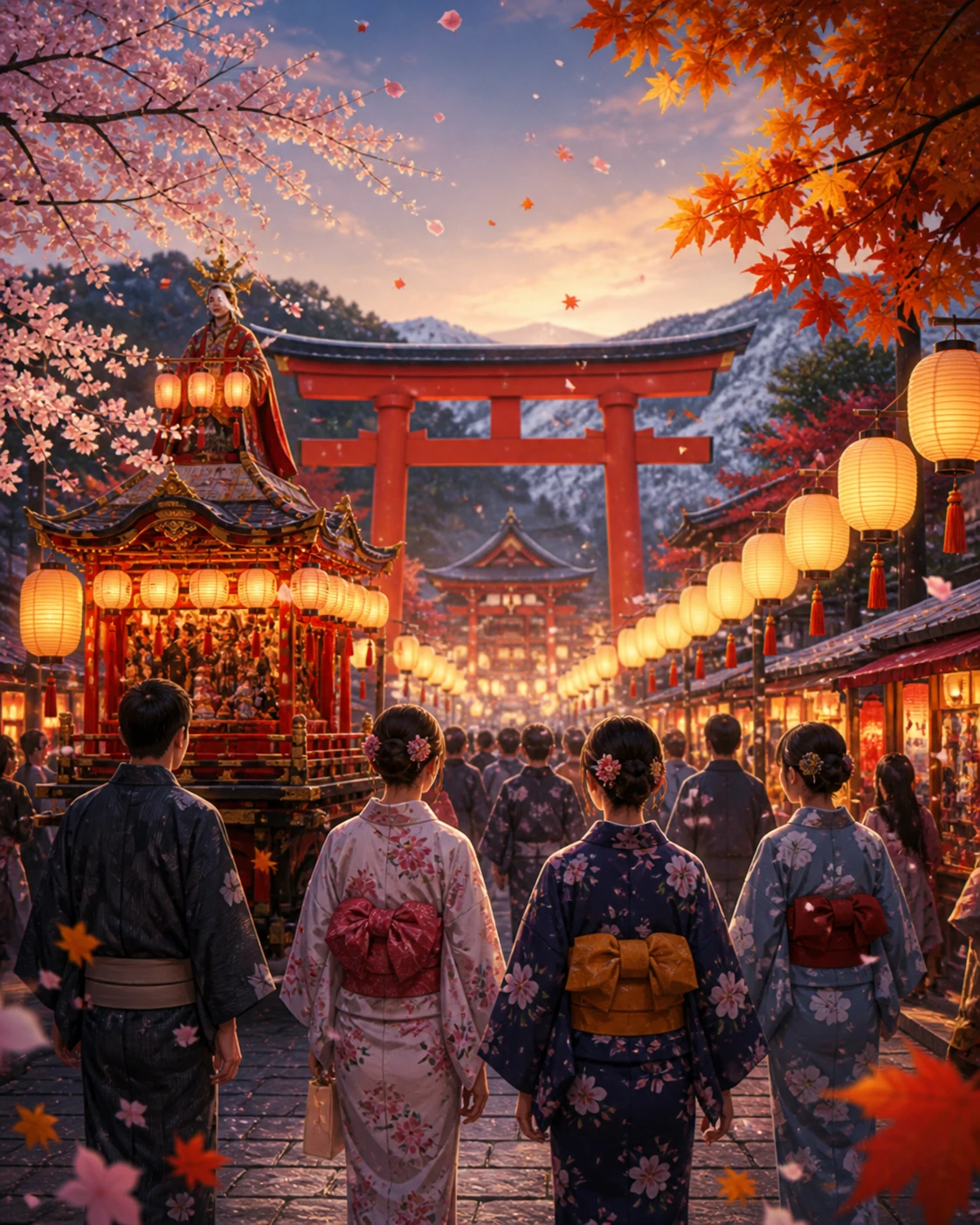

Japan festival finder
Use this Japan Festival Finder to explore Japanese festivals by month, area, city, theme, crowd level, travel style, and The Wa Story’s culture-first picks. It is designed to help you choose festivals that fit your trip—not just by where they are, but by what kind of experience they offer.
Quick guide
- Best for: finding Japanese festivals by season, city, theme, and travel style.
- Use it when: you know your travel month, region, or preferred atmosphere.
- Good to check: crowd level, time of day, family notes, and the official festival page.
- Important: festival dates, routes, tickets, and crowd rules can change every year.
Japan Festival Finder
Start with your travel month or area, then narrow the results by city, theme, crowd level, time of day, or who you are traveling with. Each festival card includes a short cultural note, practical travel hints, and links to official information.
Tip: Start with Month, Area, City, Theme, or TWS Pick, then use Search word only when you want to narrow the list further.
TWS Top Pick
Gion Matsuri
祇園祭
Kyoto · Gion / Central Kyoto • Jul
Best for: first-time visitors · traditional culture lovers · photography
Culture: One of Japan’s most famous traditional festivals, known for grand yamaboko floats, Kyoto streets, and a long summer festival period.
Show cultural & travel notes
TWS note: A flagship choice for first-time visitors because it combines Kyoto history, grand floats, craft culture, and a long festival period.
Why it matters: The festival is closely tied to Yasaka Shrine and Kyoto’s history of praying for protection from epidemics and misfortune.
Customs: Visitors often enjoy the Yoiyama evenings before the main float processions. · Many people view the floats as moving museums of Kyoto craft and textile culture.
Etiquette: Follow one-way crowd-control routes during peak evenings. · Do not stop suddenly in narrow streets for photos. · Use small cash for stalls and keep food away from crowded walking lanes.
Family note: Better for families in daytime or early evening before peak crowds.
Kids note: Night crowds can be heavy; choose shorter viewing windows with children.
TWS Top Pick
Awa Odori Festival
阿波おどり
Tokushima · Central Tokushima • Aug
Best for: festival energy · dance lovers · first-time visitors
Culture: Tokushima’s signature dance festival fills the city with ren dance groups, music, and Obon-season energy.
Show cultural & travel notes
TWS note: One of the strongest choices for visitors who want to feel festival energy through music, dance, and participation.
Why it matters: Awa Odori is connected to bon-odori traditions, where dance, music, and community gathering mark the summer season.
Customs: Spectators watch organized dance groups and may find areas where visitors can join simple dancing. · Yukata and summer festival clothing are common, but comfortable shoes matter more.
Etiquette: Stay behind viewing lines and follow staff directions. · Do not enter performance lanes unless participation is clearly allowed. · Book accommodation early during the festival period.
Family note: Good for families who enjoy lively music and street atmosphere.
Kids note: Kids may enjoy the rhythm and movement, but late-night crowds can be tiring.
TWS Top Pick
Sapporo Snow Festival
さっぽろ雪まつり
Hokkaido · Sapporo · Odori / Susukino / Tsudome • Feb
Best for: winter travel · families · photography · snow culture
Culture: A major winter festival featuring large snow and ice sculptures, illuminations, food, and central Sapporo winter atmosphere.
Show cultural & travel notes
TWS note: A highly visitor-friendly winter festival with strong visual impact, easy city access, and appeal for families, adults, and photographers.
Why it matters: The event reflects Hokkaido’s snowy climate and modern urban festival culture, turning winter itself into the main attraction.
Customs: Visitors often compare the daytime sculpture details with the night illumination view. · Warm drinks and local winter foods are part of the experience.
Etiquette: Wear shoes with grip because paths may be icy. · Do not touch sculptures or climb snow structures unless explicitly allowed. · Keep moving in narrow photo areas so others can see the displays.
Family note: Strong family option, especially in daytime.
Kids note: Good for children, but plan warm breaks indoors.
TWS Top Pick
Aomori Nebuta Festival
青森ねぶた祭
Aomori · Central Aomori • Aug
Best for: night spectacle · photography · Tohoku culture
Culture: A dramatic Tohoku summer festival known for huge illuminated nebuta floats, music, dancers, and nighttime streets.
Show cultural & travel notes
TWS note: A powerful night festival choice with dramatic illuminated floats, sound, movement, and a clear sense of Tohoku identity.
Why it matters: Nebuta culture combines local craftsmanship, light, mythic imagery, and communal summer energy.
Customs: The illuminated floats are best experienced after dark. · Some visitors also visit Nebuta Museum WA RASSE outside the festival season.
Etiquette: Do not step into performance routes unless participation is officially permitted. · Avoid flash photography close to performers. · Reserve hotels and seats early for peak dates.
Family note: Family-friendly if planned carefully with seats or shorter viewing time.
Kids note: Large floats are exciting for children, but sound and crowds can be intense.
TWS Recommended
Kanda Matsuri
神田祭
Tokyo · Kanda / Chiyoda • May
Best for: Tokyo history · urban festival culture · parades
Culture: One of Tokyo’s major shrine festivals, featuring mikoshi, musicians, priests, and processions through central Tokyo.
Show cultural & travel notes
TWS note: A strong Tokyo option for visitors who want Edo-style shrine culture and mikoshi processions within the city.
Why it matters: Kanda Matsuri reflects Edo-period urban culture and the relationship between shrine communities and the city.
Customs: Visitors often watch the parade route rather than staying in one place all day. · Local shrine areas can feel more intimate than the main city procession.
Etiquette: Do not block mikoshi routes or shrine entrances. · Keep bags compact in crowded streets. · Respect local neighborhood groups preparing for processions.
Family note: Good for families who want a Tokyo festival without leaving the city.
Kids note: Parades can be interesting for kids, but pick a less crowded viewing point.
TWS Recommended
Tenjin Matsuri
天神祭
Osaka · Osaka Tenmangu / Okawa River • Jul
Best for: Osaka summer · fireworks · river procession
Culture: Osaka’s major summer festival, known for shrine rituals, music, river processions, boats, and fireworks.
Show cultural & travel notes
TWS note: A major Osaka summer festival with river processions and fireworks, best for travelers comfortable with heavy evening crowds.
Why it matters: The festival honors Sugawara no Michizane and shows Osaka’s historic connection with waterways and merchant-city energy.
Customs: Many visitors focus on the evening river procession and fireworks. · Summer festival snacks and riverside viewing are part of the atmosphere.
Etiquette: Arrive early for river viewing spots. · Do not sit in restricted areas or block emergency routes. · Expect crowd controls after fireworks and follow exit guidance.
Family note: Possible for families, but evening fireworks crowds are heavy.
Kids note: Fireworks may be loud and the return trip can be crowded.
TWS Top Pick
Takayama Spring Festival
春の高山祭
Gifu · Takayama · Hida-Takayama • Apr
Best for: craft lovers · historic streets · traditional floats
Culture: A beautiful float festival in Hida-Takayama, known for ornate yatai floats, music, and the preserved old-town setting.
Show cultural & travel notes
TWS note: A beautiful culture-first pick because it combines historic streets, ornate floats, local craftsmanship, and a manageable town setting.
Why it matters: The festival highlights local craftsmanship and shrine traditions in one of Japan’s most atmospheric historic towns.
Customs: Visitors often pair the festival with Takayama’s old town and morning markets. · Night float displays create a different mood from daytime viewing.
Etiquette: Do not touch floats or decorative elements. · Book lodging early because rooms fill quickly. · Respect narrow old-town streets and local residents.
Family note: A strong family choice if accommodation and walking routes are planned well.
Kids note: Floats are visually engaging for kids, but avoid long waits in dense crowds.
TWS Recommended
Hakata Gion Yamakasa
博多祇園山笠
Fukuoka · Hakata • Jul
Best for: high-energy festivals · Fukuoka culture · traditional spectacle
Culture: A powerful Hakata festival where teams carry decorated yamakasa floats through the streets in a fast, intense ritual atmosphere.
Show cultural & travel notes
TWS note: A distinctive Fukuoka festival with intense local energy, especially good for travelers interested in ritual, teamwork, and Hakata identity.
Why it matters: The festival is rooted in Kushida Shrine and local Hakata identity, with a long history and strong community participation.
Customs: The climactic race is very early in the morning. · Decorative kazariyama floats can be viewed more calmly during the festival period.
Etiquette: Do not enter race routes or obstruct teams. · Check times carefully because the climax is early. · Use caution near wet streets where water is thrown during the event.
Family note: Families may prefer viewing decorative floats rather than the most crowded race moment.
Kids note: The main race is intense and very early; not ideal for small children.
TWS Top Pick
Sendai Tanabata Festival
仙台七夕まつり
Miyagi · Sendai · Central Sendai • Aug
Best for: families · colorful decorations · easy city walking
Culture: Japan’s largest Tanabata festival, famous for colorful streamers and handmade decorations throughout Sendai’s shopping arcades.
Show cultural & travel notes
TWS note: A very accessible family-friendly festival with colorful decorations, city walking, and a clear seasonal story around wishes and Tanabata.
Why it matters: Tanabata is tied to wishes, stars, and seasonal paper decorations, and Sendai developed one of Japan’s most famous local expressions of it.
Customs: Visitors stroll through shopping arcades to view decorations from below. · Wishes and paper ornament symbolism are part of the cultural appeal.
Etiquette: Do not pull or touch hanging decorations. · Keep moving in arcade bottlenecks. · Be considerate when photographing decorations above crowds.
Family note: Very good for families because it is walkable and visually clear.
Kids note: Good for children, especially if kept to short arcade sections.
TWS Recommended
Chichibu Night Festival
秩父夜祭
Saitama · Chichibu · Chichibu Shrine area • Dec
Best for: winter night atmosphere · float festivals · photography
Culture: A famous winter night festival with large illuminated floats, music, local sake culture, and fireworks.
Show cultural & travel notes
TWS note: A memorable winter night festival with floats and fireworks, best for travelers who can handle cold weather and heavy crowds.
Why it matters: Chichibu Yomatsuri shows the power of winter festival culture, where light, sound, and community gathering transform a cold night.
Customs: Visitors often come for the evening float procession and fireworks. · Warm clothing is essential because much of the experience is outdoors at night.
Etiquette: Dress for cold night conditions. · Follow station and street crowd-control guidance after the event. · Avoid blocking float movement or staff areas.
Family note: Possible for older children and families used to winter crowds.
Kids note: Not ideal for small children because it is cold, late, loud, and crowded.
TWS Recommended
Kishiwada Danjiri Festival
岸和田だんじり祭
Osaka · Kishiwada • Sep
Best for: high-energy festivals · local Osaka culture · float craftsmanship
Culture: A fast and intense danjiri float festival in Kishiwada, famous for wooden floats pulled through the city with great speed and energy.
Show cultural & travel notes
TWS note: A high-energy local festival with powerful danjiri float culture, recommended for adults and older children with a safe viewing plan.
Why it matters: Danjiri festivals show neighborhood pride, teamwork, and local craftsmanship through the movement of large carved wooden floats.
Customs: Spectators usually choose safe viewing areas rather than moving with the floats. · The carved wooden danjiri themselves are part of the cultural attraction.
Etiquette: Stay behind barriers and never step into float routes. · Follow police and staff directions strictly. · Avoid corners and high-speed turning areas unless official viewing is clearly marked.
Family note: Better for families with older children and a safe viewing plan.
Kids note: The speed and crowd intensity make it less suitable for small children.
TWS Recommended
Nagasaki Kunchi
長崎くんち
Nagasaki · Suwa Shrine / Central Nagasaki • Oct
Best for: Nagasaki culture · dance performances · autumn travel
Culture: A major Nagasaki festival with performances, floats, dragon dances, and a distinctive international atmosphere shaped by the city’s history.
Show cultural & travel notes
TWS note: A strong cultural pick because it reflects Nagasaki’s international history through performance, floats, and shrine traditions.
Why it matters: Nagasaki’s history of overseas exchange appears in festival performances and motifs, giving Kunchi a different flavor from many shrine festivals.
Customs: Visitors may watch performances at official venues or catch parts of the procession in town. · Food stalls and city-center walking are part of the festival experience.
Etiquette: Check ticketed seating rules before choosing a venue. · Do not block performance routes or shrine access. · Respect local viewing customs and staff guidance.
Family note: Good family option if seats or a manageable viewing area are chosen.
Kids note: Children may enjoy the dragon dance and colorful performances.
TWS Recommended
Sanja Matsuri
三社祭
Tokyo · Asakusa • May
Best for: Tokyo festival energy · Asakusa culture · mikoshi processions
Culture: A major Asakusa shrine festival known for energetic mikoshi processions, neighborhood pride, and classic Tokyo festival atmosphere.
Show cultural & travel notes
TWS note: A lively Tokyo festival choice for travelers who want Asakusa atmosphere, mikoshi energy, and neighborhood festival culture.
Why it matters: Sanja Matsuri shows how Edo-period neighborhood culture and shrine communities remain visible in modern Tokyo.
Customs: Visitors usually watch mikoshi teams move through Asakusa’s streets. · The festival is best experienced by walking around the wider Asakusa area rather than staying in one spot all day.
Etiquette: Do not block mikoshi routes or shrine entrances. · Keep bags compact in narrow streets. · Follow police and staff directions during peak processions.
Family note: Good for families who want a lively Tokyo festival, especially earlier in the day.
Kids note: Crowds and sound can be intense near mikoshi routes; choose side streets or shorter viewing times.
TWS Recommended
Aoi Matsuri
葵祭
Kyoto · Imperial Palace / Kamo Shrines • May
Best for: Kyoto history · court costumes · calm parade viewing
Culture: One of Kyoto’s three major festivals, known for an elegant procession in Heian-style court dress.
Show cultural & travel notes
TWS note: A calm Kyoto pick for visitors interested in court culture, historical costume, and elegant daytime procession viewing.
Why it matters: Aoi Matsuri gives visitors a rare visual sense of aristocratic Kyoto and the ritual world of the old capital.
Customs: Many visitors watch the procession as it travels from the Imperial Palace area toward the Kamo shrines. · Costume details and ceremonial pacing are part of the experience.
Etiquette: Do not step into the procession route. · Avoid using flash close to participants or animals. · Arrive early if you want a comfortable viewing position.
Family note: A good family choice because it is daytime and visually clear.
Kids note: Good for children interested in costumes and horses, but the pace is slow, so keep the viewing plan short.
TWS Recommended
Jidai Matsuri
時代祭
Kyoto · Imperial Palace / Heian Jingu • Oct
Best for: Japanese history · costume lovers · Kyoto culture
Culture: A Kyoto parade that presents figures and costumes from many periods of Japanese history.
Show cultural & travel notes
TWS note: A good history-focused Kyoto festival that visually introduces many eras of Japanese culture through costume and procession.
Why it matters: The festival turns Kyoto’s long role as the former capital into a moving historical pageant.
Customs: Visitors often choose one section of the route rather than trying to follow the entire procession. · The appeal is in comparing costumes and historical eras.
Etiquette: Keep walkways clear around viewing areas. · Do not step into the route for photos. · Be patient with slow-moving crowd flow after the parade.
Family note: Good for families who want a structured daytime Kyoto event.
Kids note: Kids may enjoy the costumes, but bring snacks and breaks because the parade can feel long.
TWS Recommended
Hakata Dontaku Festival
博多どんたく
Fukuoka · Hakata / Central Fukuoka • May
Best for: Golden Week travel · families · city festival atmosphere
Culture: A large Golden Week festival in Fukuoka with parades, performances, and a celebratory city-wide mood.
Show cultural & travel notes
TWS note: A festive Golden Week choice with parades and citywide energy, especially useful for families already visiting Fukuoka.
Why it matters: Hakata Dontaku reflects Fukuoka’s long urban festival culture and its role as a lively gateway city in Kyushu.
Customs: Visitors usually enjoy the parade and performance areas around central Fukuoka. · Golden Week travel planning is essential because transport and hotels are busy.
Etiquette: Follow parade viewing rules and do not block side streets. · Book accommodation early during Golden Week. · Keep moving in crowded station and shopping areas.
Family note: Strong family option because it is colorful and easy to understand.
Kids note: Good for children, but Golden Week crowds can be tiring.
TWS Recommended
Sumidagawa Fireworks Festival
隅田川花火大会
Tokyo · Sumida / Taito • Jul
Best for: Tokyo summer night · fireworks · yukata atmosphere
Culture: One of Tokyo’s best-known fireworks events, lighting up the sky around the Sumida River and Asakusa area.
Show cultural & travel notes
TWS note: A classic Tokyo summer night experience, best for adults or families who can plan carefully around major crowds.
Why it matters: Japanese fireworks festivals combine summer evening social life, yukata culture, river views, and seasonal food stalls.
Customs: Many visitors wear yukata and arrive early to secure viewing spots. · People often buy food and drinks before settling into a viewing area.
Etiquette: Do not sit in restricted roads or emergency routes. · Take trash with you if bins are full. · Follow exit routes after the fireworks to reduce crowding.
Family note: Possible for families, but only with a careful route and early exit plan.
Kids note: Fireworks are loud, the event is late, and crowds are heavy; not ideal for small children.
TWS Top Pick
Kawagoe Festival
川越まつり
Saitama · Kawagoe · Old Town / Kurazukuri area • Oct
Best for: Edo atmosphere · float culture · day trip from Tokyo
Culture: A historic float festival in Kawagoe, known for Edo-style floats, music, lanterns, and old-town streets.
Show cultural & travel notes
TWS note: An excellent Tokyo-area day trip pick with Edo atmosphere, floats, music, and a strong historic town setting.
Why it matters: Kawagoe’s festival connects the city’s warehouse-town identity with Edo festival traditions and neighborhood pride.
Customs: The float music face-off is one of the highlights. · Many visitors pair the festival with Kawagoe’s old warehouse district.
Etiquette: Do not block float turns or narrow old-town streets. · Keep moving when crowds gather around float performances. · Respect local residents and shop entrances.
Family note: Good family option, especially as a Tokyo-area day trip.
Kids note: Kids may enjoy the floats and music, but nighttime crowds can be dense.
TWS Top Pick
Gujo Odori Festival
郡上おどり
Gifu · Gujo · Gujo Hachiman • Jul–Aug–Sep
Best for: joining a dance · bon odori culture · small-town atmosphere
Culture: A long-running summer dance festival where visitors can join traditional dances in Gujo Hachiman.
Show cultural & travel notes
TWS note: A standout culture-first pick because visitors can join the dance rather than only watch, making bon-odori culture easy to feel.
Why it matters: Gujo Odori is about participation, not just watching; it shows how bon-odori can turn a town into a shared dance space.
Customs: Visitors are welcome to join the dances even as beginners. · The peak period around Obon can include all-night dancing.
Etiquette: Watch the dance flow before joining. · Do not push into crowded dance circles. · Wear comfortable shoes if dancing for a long time.
Family note: Good for families who want a participatory festival.
Kids note: Kids can enjoy joining simple dances, but late-night sessions are better for older children.
TWS Hidden Gem
Owara Kaze no Bon Festival
おわら風の盆
Toyama · Yatsuo • Sep
Best for: quiet atmosphere · folk dance · deep culture
Culture: An atmospheric folk festival in Yatsuo, known for elegant dances, shamisen music, and a mysterious nighttime mood.
Show cultural & travel notes
TWS note: A refined choice for deeper cultural travelers who prefer quiet atmosphere, folk music, and restrained evening dance traditions.
Why it matters: Unlike loud summer festivals, Owara Kaze no Bon shows the quieter, more restrained beauty of regional performing traditions.
Customs: Visitors walk through historic streets and listen for dance and music groups. · The mood is more contemplative than carnival-like.
Etiquette: Keep voices low during performances. · Do not use flash close to dancers. · Avoid blocking narrow streets with tripods or long photo stops.
Family note: Better for families with older children who can enjoy quiet evening performances.
Kids note: Not ideal for small children because the appeal is subtle, late, and often crowded.
TWS Top Pick
Yokote Snow Festival
横手の雪まつり
Akita · Yokote • Feb
Best for: snow culture · families · winter photography
Culture: A winter festival known for kamakura snow huts, miniature snow structures, lights, and local hospitality.
Show cultural & travel notes
TWS note: A warm and memorable snow-country pick for families and winter travelers, with kamakura snow huts and strong local character.
Why it matters: The festival turns heavy snow into a warm community ritual, showing how snowy regions celebrate rather than simply endure winter.
Customs: Visitors may see kamakura snow huts and warm seasonal drinks. · Night lighting gives the snow structures a softer atmosphere.
Etiquette: Wear warm clothing and shoes with grip. · Do not damage snow huts or miniature kamakura. · Follow local guidance when entering or photographing snow huts.
Family note: Strong family option for winter travel.
Kids note: Good for children, but plan warm indoor breaks.
TWS Hidden Gem
Nozawa Fire Festival
野沢温泉 道祖神祭り
Nagano · Nozawaonsen · Nozawa Onsen • Jan
Best for: fire festival · winter ritual · onsen travel
Culture: A dramatic winter fire festival in Nozawa Onsen involving torches, ritual structures, and prayers connected to family and protection.
Show cultural & travel notes
TWS note: A powerful ritual-focused winter pick for adults who want fire, onsen-town culture, and a deeper local festival experience.
Why it matters: The festival shows the powerful side of local ritual culture, where fire, age roles, and community protection come together.
Customs: The festival is connected to Dosojin beliefs and local age-group roles. · Many visitors combine it with a winter onsen or ski trip.
Etiquette: Keep a safe distance from fire and ritual areas. · Follow police and local staff instructions closely. · Dress for cold nighttime conditions.
Family note: Best for adults or older teens rather than young family travel.
Kids note: Not recommended for small children because of fire, crowds, cold, and late-night conditions.
TWS Recommended
Kanazawa Hyakumangoku Festival
金沢百万石まつり
Ishikawa · Kanazawa · Kanazawa Castle / Central Kanazawa • Jun
Best for: Kanazawa history · samurai procession · castle town culture
Culture: An early summer Kanazawa festival centered on a samurai-style procession and the city’s castle-town heritage.
Show cultural & travel notes
TWS note: A good Kanazawa culture pick that connects samurai procession, castle-town history, and the city’s refined heritage.
Why it matters: The festival celebrates the Maeda clan and Kanazawa’s identity as a refined castle town of arts, crafts, and ceremony.
Customs: The Hyakumangoku Parade is the main event. · Visitors often pair the festival with Kanazawa Castle and Kenrokuen.
Etiquette: Do not block parade routes. · Arrive early for central viewing areas. · Respect crowd controls around station and castle areas.
Family note: Good for families who enjoy samurai and castle-town history.
Kids note: Children may enjoy the costumes and parade, but choose a shorter viewing section.
TWS Recommended
Mito Plum Blossom Festival
水戸の梅まつり
Ibaraki · Mito · Kairakuen • Feb–Mar
Best for: early spring · garden walks · flower photography
Culture: An early spring flower festival at Kairakuen, known for thousands of plum trees and soft pink and white blossoms.
Show cultural & travel notes
TWS note: A gentle early-spring pick for flower lovers and families who want seasonal beauty before the sakura peak.
Why it matters: Plum blossoms signal the first signs of spring before sakura, linking seasonal beauty with resilience and renewal.
Customs: Visitors stroll through Kairakuen and enjoy early spring blossoms. · Some dates include illumination and special events.
Etiquette: Stay on garden paths and avoid touching branches. · Keep photo stops short in narrow garden areas. · Check opening times and illumination dates before visiting.
Family note: Good family option for a calm early spring outing.
Kids note: Good for children if paired with a short walk and breaks.
TWS Recommended
Hamamatsu Festival
浜松まつり
Shizuoka · Hamamatsu · Nakatajima / Central Hamamatsu • May
Best for: kite battles · Golden Week travel · family festival energy
Culture: A Golden Week festival famous for daytime kite battles and nighttime float parades.
Show cultural & travel notes
TWS note: A lively Golden Week family pick with kite battles, floats, and a clear celebration of children’s growth.
Why it matters: The festival connects celebration, neighborhood pride, and wishes for children’s growth through dramatic kite displays.
Customs: Daytime kite-flying and nighttime parades offer different festival moods. · Visitors often plan around Golden Week transport crowds.
Etiquette: Stay outside kite and parade operation areas. · Follow staff directions around crowded viewing zones. · Book travel early during Golden Week.
Family note: Strong family option because the kite theme is easy to enjoy.
Kids note: Good for children, but keep them away from active kite areas and nighttime crowd crush.
TWS Hidden Gem
Kurama Fire Festival
鞍馬の火祭
Kyoto · Kurama • Oct
Best for: fire ritual · Kyoto deep culture · night atmosphere
Culture: A fiery mountain-village festival in Kurama, where torch processions honor Yuki-jinja Shrine.
Show cultural & travel notes
TWS note: A dramatic Kyoto deep-culture pick for adults, with fire ritual, mountain-village atmosphere, and strong local identity.
Why it matters: The festival preserves a dramatic local ritual of welcoming shrine spirits, blending fire, village identity, and sacred space.
Customs: Visitors usually arrive by train and watch torch processions in the village streets. · The atmosphere becomes intense after dusk.
Etiquette: Keep distance from flames and procession areas. · Do not block narrow village streets. · Follow transport and crowd-control guidance carefully.
Family note: Better for adults or older teens because of fire, crowds, and late timing.
Kids note: Not recommended for small children.
TWS Recommended
Atsuta Festival
熱田まつり
Aichi · Nagoya · Atsuta Jingu • Jun
Best for: Nagoya shrine culture · early summer · fireworks
Culture: An early summer festival at Atsuta Jingu, featuring shrine rituals, performances, seasonal clothing, and fireworks.
Show cultural & travel notes
TWS note: A useful Nagoya-area pick that combines major shrine tradition, early summer atmosphere, performances, and fireworks.
Why it matters: Atsuta Jingu is one of the Chubu region’s most important shrines, so the festival combines local pride with major shrine tradition.
Customs: Visitors enjoy shrine grounds, performances, and fireworks. · Yukata and summer festival clothing are part of the seasonal mood.
Etiquette: Respect shrine spaces and do not block worship areas. · Follow staff directions during fireworks and crowded exits. · Keep food and drink in appropriate areas.
Family note: Good for families if visiting earlier in the day.
Kids note: Children may enjoy the performances and fireworks, but fireworks crowds can be tiring.
TWS Recommended
Tokamachi Snow Festival
十日町雪まつり
Niigata · Tokamachi • Feb
Best for: snow sculptures · local winter culture · families
Culture: A Niigata winter festival featuring snow sculptures, local food, snow games, and community-made displays.
Show cultural & travel notes
TWS note: A good snow-country culture pick for families who want winter sculptures, local food, and regional community atmosphere.
Why it matters: Tokamachi shows how heavy-snow regions transform winter hardship into creativity, hospitality, and local pride.
Customs: Visitors move between snow sculpture sites and festival areas. · Local hot foods are part of the winter experience.
Etiquette: Wear snow-ready shoes and warm layers. · Do not climb or damage snow sculptures. · Check transport conditions in heavy snow.
Family note: Strong family choice for snow-country culture.
Kids note: Good for children, especially if you plan warm breaks and short walking routes.
TWS Hidden Gem
Kakunodate Festival
角館のお祭り
Akita · Semboku · Kakunodate • Sep
Best for: historic town atmosphere · float culture · regional traditions
Culture: A historic Akita festival featuring floats, music, dance, and dramatic local traditions in Kakunodate.
Show cultural & travel notes
TWS note: A deeper regional pick for travelers interested in historic towns, floats, music, and layered local traditions.
Why it matters: The festival combines Buddhism, Shintoism, song, dance, and float culture, showing the layered religious and community life of regional Japan.
Customs: Visitors can enjoy the festival together with Kakunodate’s historic streets. · Float movement and music are central attractions.
Etiquette: Keep distance from moving floats. · Do not block narrow streets or private entrances. · Follow local guidance during float encounters.
Family note: Good for families with older children and careful route planning.
Kids note: Younger children may find float movement and crowds intense.
TWS Hidden Gem
Fujiwara Autumn Festival
藤原まつり
Iwate · Hiraizumi · Chusonji / Hiraizumi • Nov
Best for: Hiraizumi history · autumn leaves · temple culture
Culture: An autumn festival at Chusonji in Hiraizumi, with processions, Noh, chrysanthemums, and historic temple atmosphere.
Show cultural & travel notes
TWS note: A quiet history-and-temple pick for travelers who want Hiraizumi culture, autumn scenery, and a slower festival experience.
Why it matters: The festival connects the legacy of the Northern Fujiwara with Hiraizumi’s Buddhist culture and autumn landscape.
Customs: Visitors often combine the festival with Chusonji and autumn foliage. · Traditional performances and chrysanthemum displays add seasonal color.
Etiquette: Respect temple grounds and quiet areas. · Do not block processions or performance spaces. · Stay on marked paths around temple and garden areas.
Family note: Good for families interested in history and autumn scenery.
Kids note: Suitable for children if paired with short walks and visual highlights.
No festivals match your current filters. Try clearing one filter or searching by area, city, month, theme, or TWS Pick.
How to use this festival finder
If you already know when you are visiting Japan, begin with Month. If you are planning around a destination, begin with Area or City. Then use Theme to look for fireworks, floats, dance, snow, shrine festivals, or other cultural styles.
For a smoother trip, also check Crowd level and Time of day. Some festivals are relaxed daytime events, while others are late-night, crowded, loud, or better suited to adults and older children.
What the labels mean
TWS Top Pick means the festival is especially strong from a culture-and-travel point of view. TWS Recommended means it is a good choice when it fits your route or interests. TWS Hidden Gem points to a deeper or more local experience that may suit travelers who want something beyond the most famous festivals.
Audience labels such as Family-friendly, Adults, and Kids-friendly are practical hints, not strict rules. Always read the notes inside each card and check the official festival page before planning your visit.
Before you go
Japanese festivals often change details from year to year. Dates, parade routes, paid seating, traffic restrictions, fireworks schedules, and cancellation policies may vary depending on weather, local rules, or crowd-control needs.
Use this finder to choose a festival that matches your trip, then confirm the latest details through the Official Festival Page link on each card.
EXPLORE
Popular next steps
Explore pages that fit this topic, popular picks, and useful tools to try next.
Similar articles
Popular picks
Explore more tools, stories, and travel ideas across The Wa Story.