

Japanese cultural itineraries
Itineraries by Area
About Japan’s Regions (North to South)
Japan is traditionally described as eight regions (chihō) running from the northern island of Hokkaidō to Kyūshū in the southwest. Each region has distinct history, crafts, foodways, and seasonal culture.
- Hokkaidō — The northern frontier: wide landscapes, short summers, snowy winters, Ainu heritage, fresh seafood, and simple, outdoor-forward itineraries.
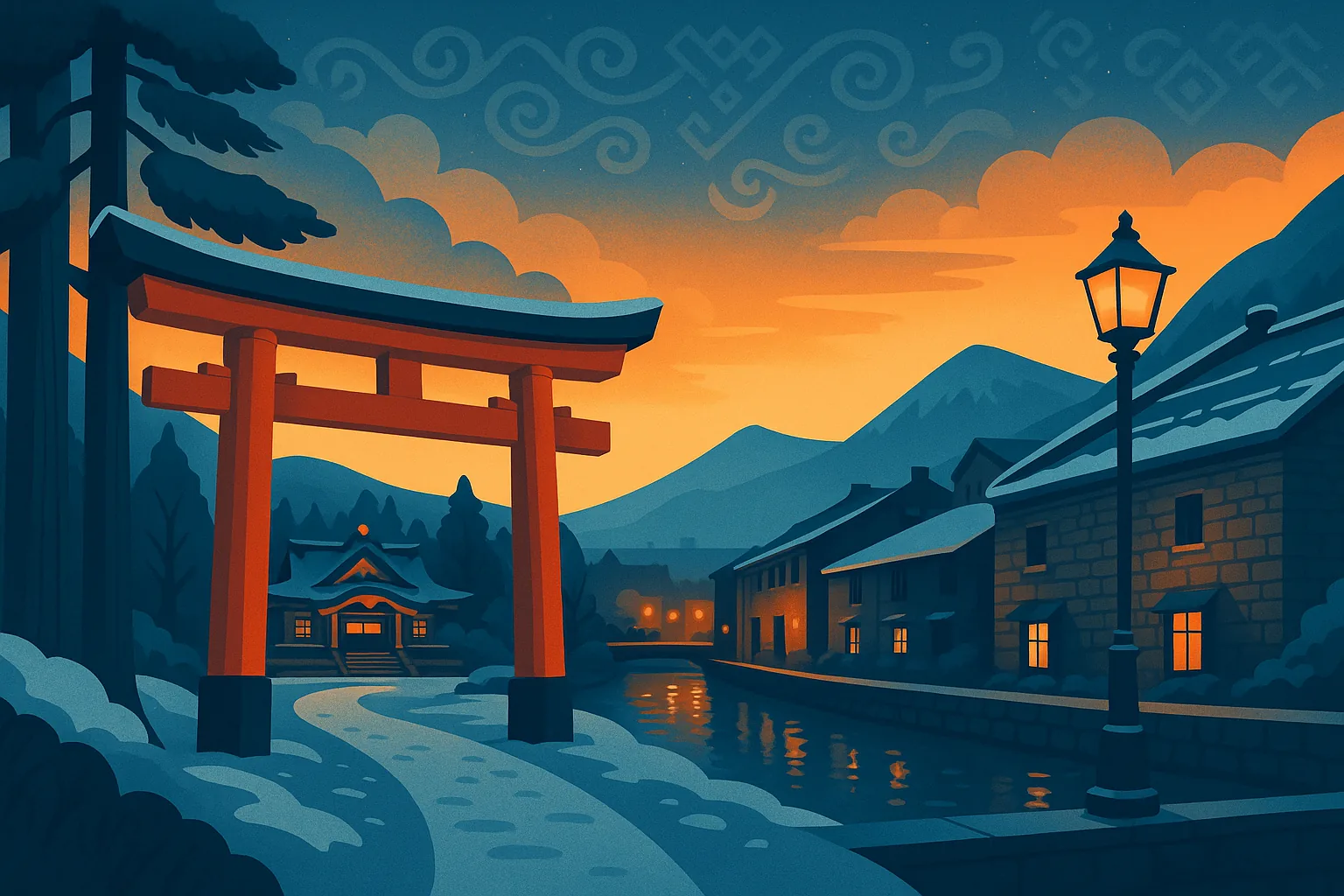
- Tōhoku — Mountainous and restorative: hot springs, rural temples, folk festivals (e.g., Nebuta), lacquer and iron crafts, and Pure Land sites like Hiraizumi.
- Kantō — Tokyo and surrounds: museum clusters, Edo-period neighborhoods, garden islands along the bay, and craft districts from paper to metal leaf.
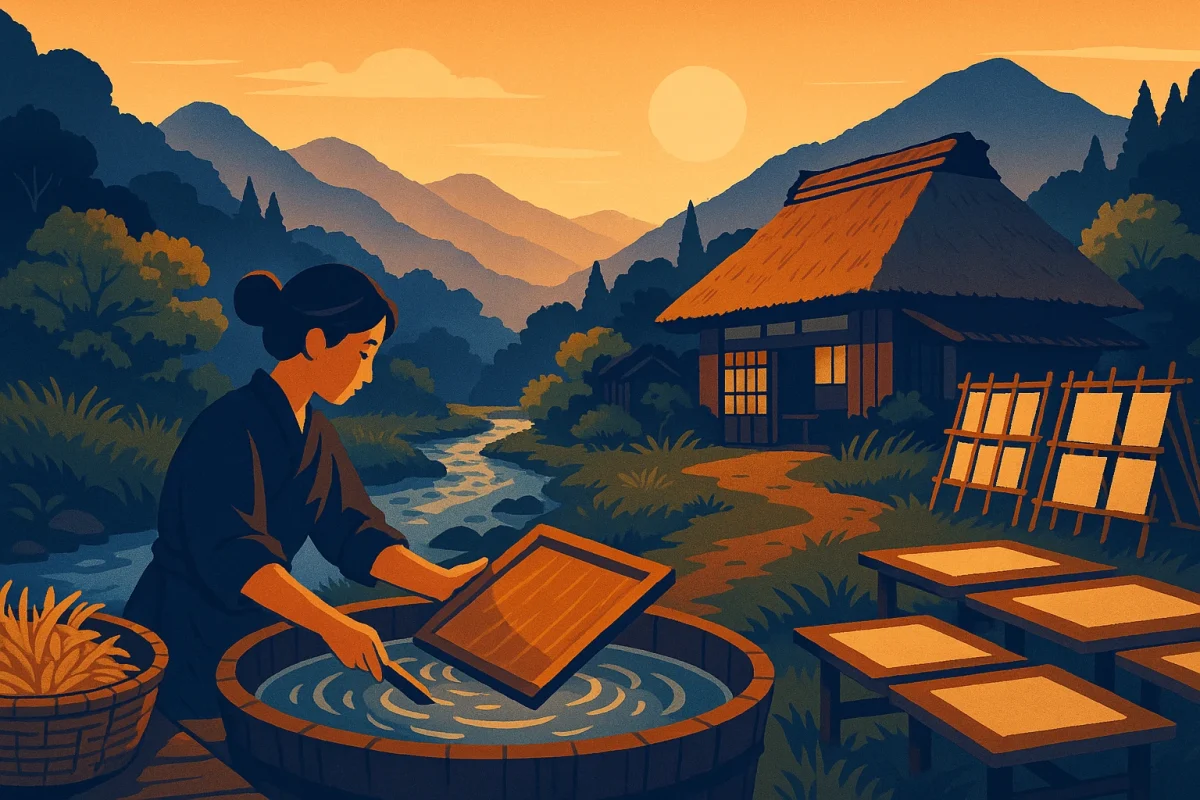
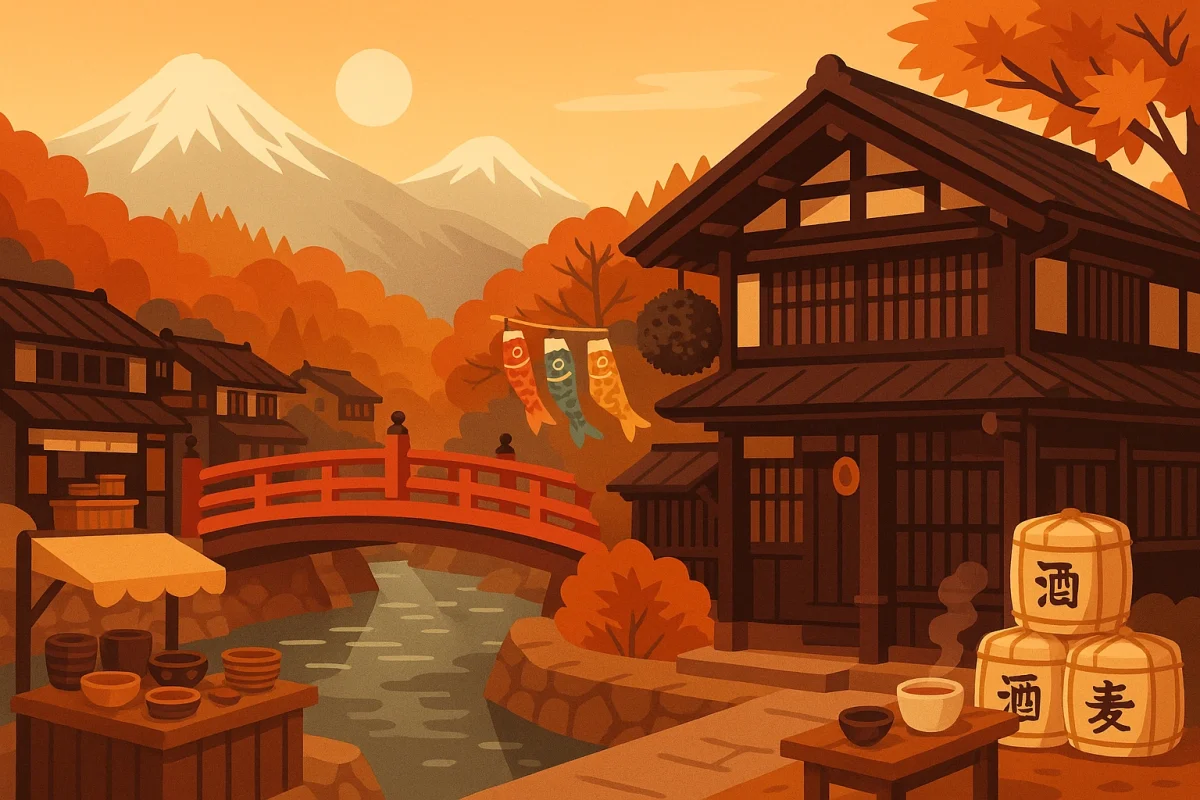
- Chūbu — Japan’s central spine (Hokuriku / Shin’etsu / Tōkai): the Japanese Alps, castle towns (e.g., Matsumoto), Echizen washi, Mino ceramics, and alpine villages.
- Kansai (Kinki) — Classical heartland: Kyoto, Nara, and Osaka; tea and Zen lineages, refined gardens and temples, merchant-town food culture, and living artisan schools.
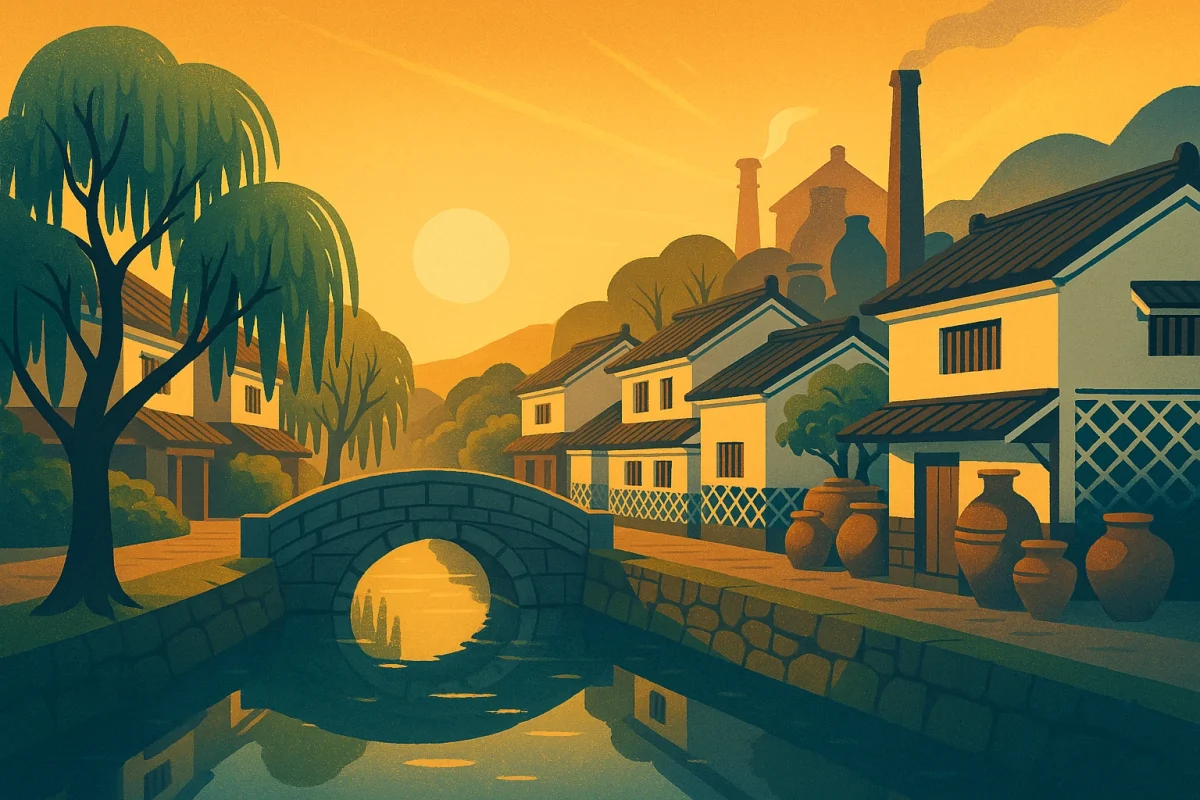
- Chūgoku — Western Honshū: Hiroshima and Seto Inland Sea islands, Okayama’s gardens and Kurashiki canal quarter, Bizen pottery, and shrine scenery like Miyajima.
- Shikoku — Smallest main island: the 88-temple pilgrimage, indigo dyeing, Tosa washi, mountain gorges, and slow towns with hearty noodle culture.
- Kyūshū — Volcanic and warm: onsen belts (Beppu/Kurokawa), porcelain heritage (Arita/Imari), coastal cities like Fukuoka and Nagasaki, and mixed samurai/merchant history.
Note on Okinawa (Ryūkyū): Some guides treat Okinawa as a separate, ninth region. It has subtropical climate, gusuku castle sites, and distinct crafts (e.g., bingata dyeing). You can add it as its own area if you plan Ryūkyū-focused itineraries.
These cultural itineraries are part of our culture-first planning system. For a full overview of how to design your trip, visit Plan Your Trip.
If you’d like to generate a draft itinerary based on your interests and pace, try our Free Japan Trip Planner.
Kanto Area
Prefecture: Tokyo, Kanagawa, Ibaraki, Tochigi, Gunma, Saitama, and Chiba


Kinki Area
Prefecture: Osaka, Kyoto, Hyogo, Shiga, Nara, and Wakayama

Tohoku Area
Prefecture: Aomori, Iwate, Miyagi, Akita, Yamagata, and Fukushima

Chubu Area
Prefecture: Niigata, Nagano, Yamanashi, Shizuoka, Aichi, Gifu, Toyama, Ishikawa, and Fukui

Chugoku Area
Prefecture: Tottori, Shimane, Okayama, Hiroshima, and Yamaguchi
Kyusyu Area
Prefecture: Fukuoka, Saga, Nagasaki, Kumamoto, Oita, Miyazaki, Kagoshima

To match each itinerary with the right season, use the Japanese Calendar to see how festivals and everyday rhythms change through the year.
For more background on the traditions, customs, and everyday life that shape these routes, explore our Japanese Culture Guides.
Official Resources
Tokyo
Kansai (Kyoto • Osaka • Nara • Kobe • Himeji • Wakayama)
- Kyoto City Official Guide
- OSAKA-INFO — Osaka Official Tourism
- Official Nara Travel Guide
- FEEL KOBE — Kobe Official Travel Guide
- Visit Himeji — Official City Guide
- Visit Wakayama — Official (Koyasan access included)
Transport & Reservations (Official Operators)
- JR East — Official
- JR Central (Tokaido Shinkansen) — Shinkansen Travel Site
- SmartEX — Official Shinkansen Online Reservation
- JR West — Travel Information
- Nankai Electric Railway — Koyasan Access