
Japanese Calendar
Browse different months in the Japanese calendar to see how seasons, holidays, and cultural events change throughout the year. Use it to find the best time for your trip.
The calendar opens in a 2026 view by default, but you can move between months.
Want festivals (not just timing)? Shortlist cherry-blossom festival spots by timing and region, then confirm dates and updates on the final link.
Autumn Highlights
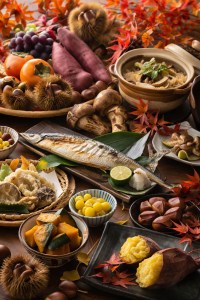
Autumn Foods in Japan: Rich Flavors & Seasonal Specialties
Autumn foods in Japan offer one of the richest ways to experience the season. From matsutake (a highly…
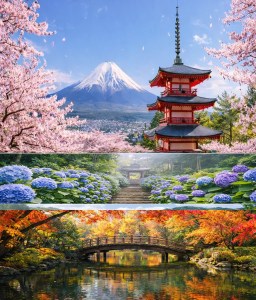
Seasonal Nature Viewing in Japan
Seasonal Nature viewing in Japan ← Go back to Japanese Culture Guides by Theme Seasonal nature viewing in…
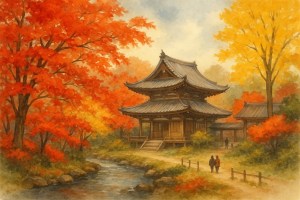
Beautiful Quaint Autumn leaves in Japan (koyo)
← Back to Plan Your Trip Autumn leaves in Japan (koyo) Autumn leaves in Japan (koyo): culture, timing…
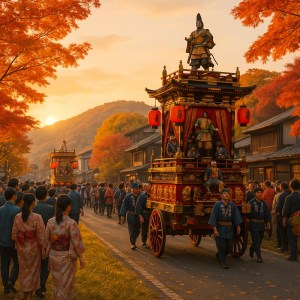
Autumn Float Pulls & Sake Tastings
← Back to Matsuri & Seasons Autumn Float Festival Japan – Dramatic Pulls & Sake Tastings Your guide…

Exciting Seasonal Events in Japan | Travel & Culture Calendar 2026
← Back to Plan Your Trip ← Go back to Japanese Culture Guides by Theme Events in Japan…
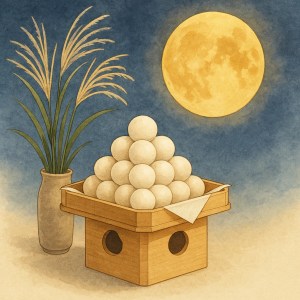
Tsukimi Dango Meaning: Moon Viewing Tradition in Japan
Seasonal Japanese Stories Even outside autumn, understanding the tsukimi dango meaning is one of the simplest ways to…

Last-minute Autumn Leaves in Japan: Where to Go & How to Check
Last minute autumn leaves Quick Summary Even in late autumn, you can still enjoy beautiful koyo in Japan.…
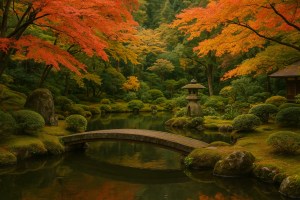
Japanese Garden in Autumn
Japanese Garden Japanese Garden in Autumn — Design, Aesthetics, and Quiet Etiquette This guide helps you enjoy a…
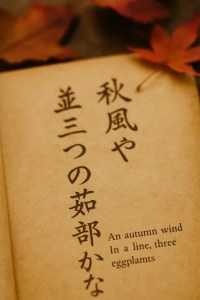
Japanese Autumn Haiku: Seasonal Words & Examples
Japanese Autumn Haiku Jpanese Haiku and Autumn Expressions: Discover the Beauty of Japanese Autumn Haiku Explore Japanese autumn…
Calendar Related Articles

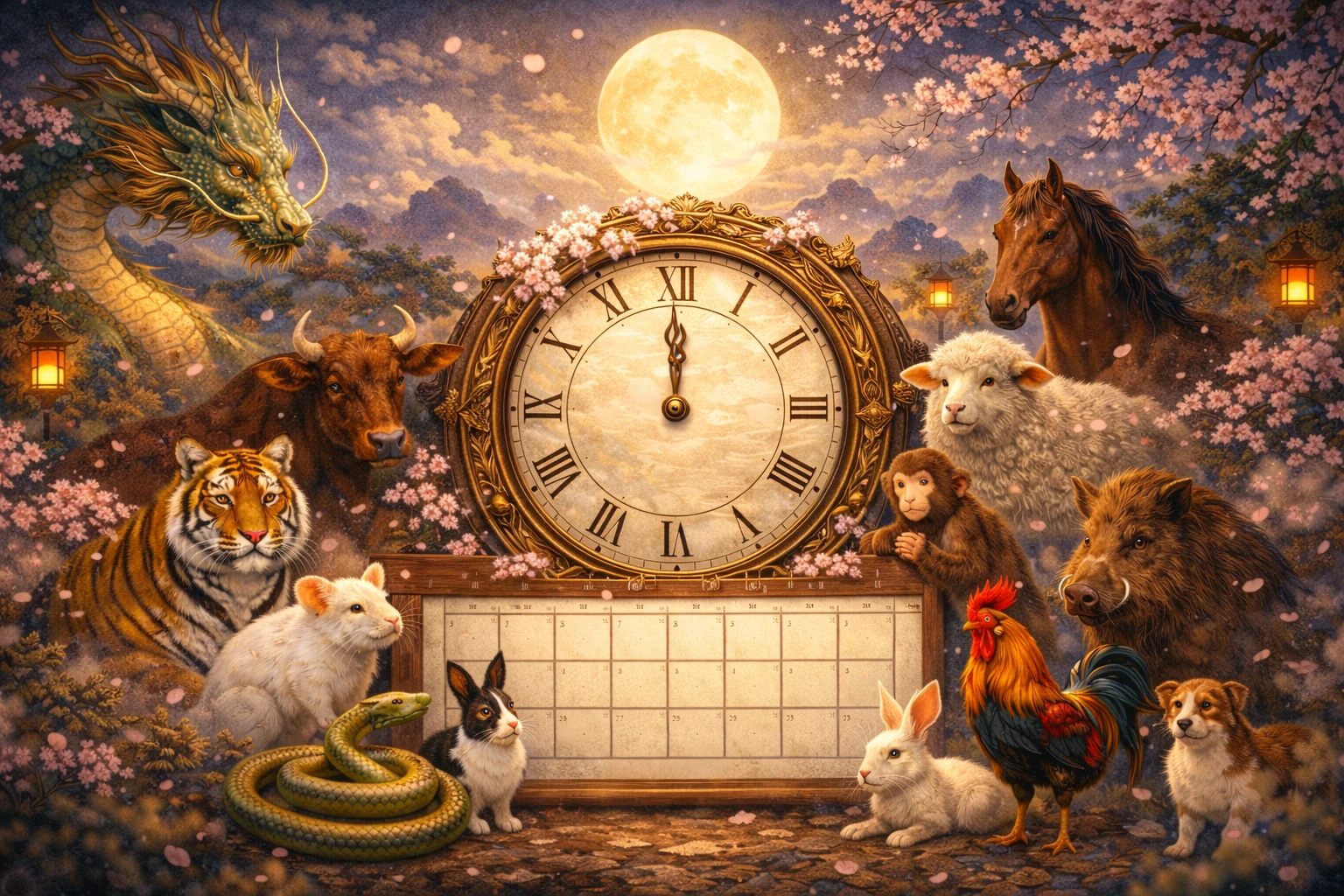

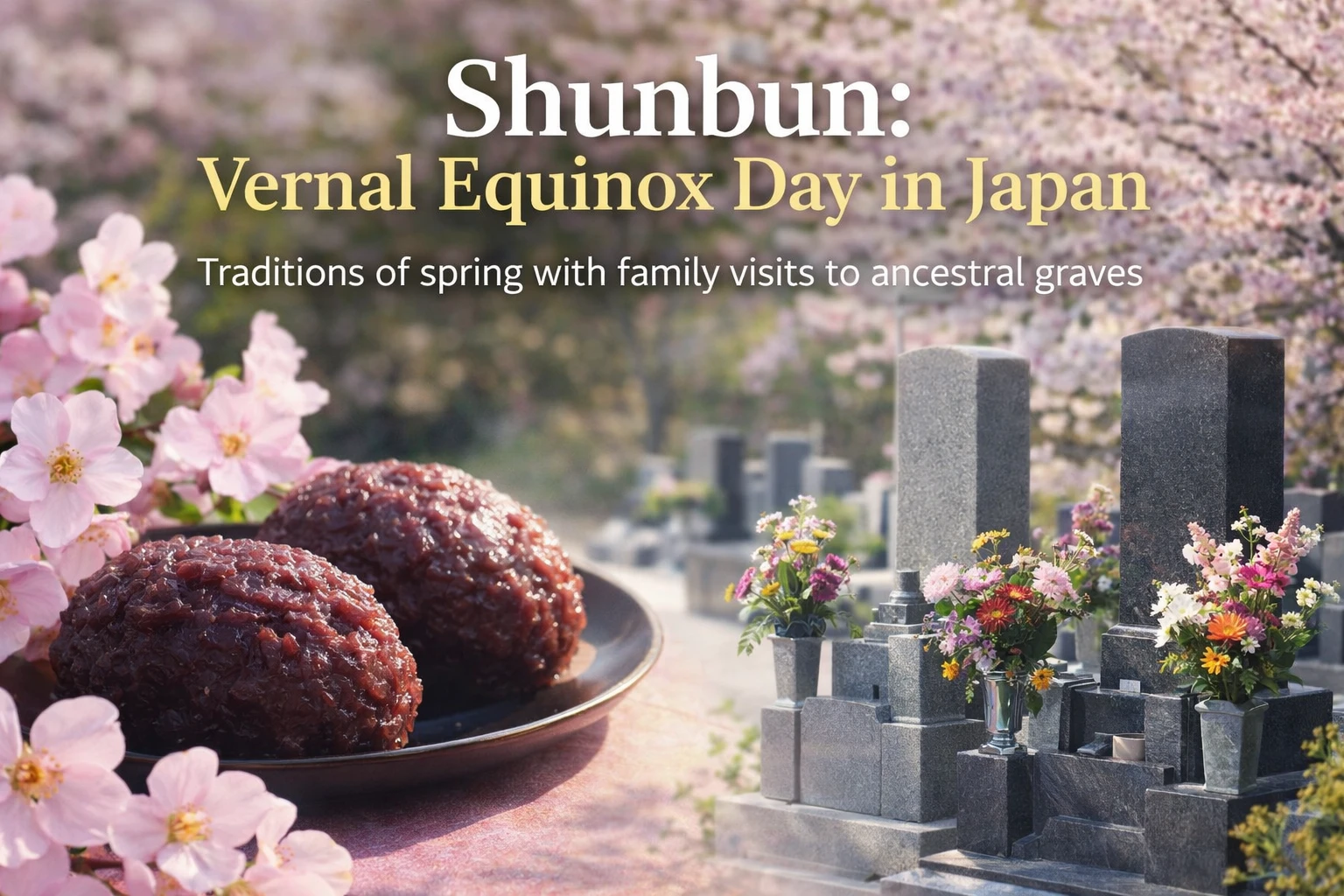



-
Spring (Haru): March–May — warming weather, flowers, start of festival season.
Trip ideas: Tokyo in spring: 3-day cultural itinerary , Kansai spring cultural itinerary -
Early Summer / Rainy Season (Tsuyu):
June — hydrangeas, indoor culture, softer travel pace.
Trip ideas: Hydrangea & rainy-season flower guide -
Summer (Natsu):
July–August — matsuri peak, fireworks, heat-aware planning.
Trip ideas: Summer festivals & fireworks - Early Autumn (Aki): September — cooler evenings, harvest themes, transition festivals.
-
Autumn Leaves Season (Koyo):
October–November — foliage peaks, gardens, temple visits.
Trip ideas: Autumn cultural itinerary (Coming soon) , Japanese gardens in autumn -
Winter (Fuyu):
December–February — New Year culture, snow regions, hot springs.
Trip ideas: Winter culture & travel ideas
Japanese Calendar (English)
Basics
- Gregorian Year:
- Wareki (Era):
- Eto (Stem-Branch):
Major 8 Sekki
List of National Holidays
Holiday dates are based on data from the Japanese government and related public sources.
Rokuyō – Meanings & Tips
- Taian — Very auspicious. Best for weddings, contracts, openings, moving.
- Tomobiki — “Pull together.” Good for weddings. Avoid funerals.
- Senshō — “Win by acting early.” Good in the morning; quick decisions. Avoid major contests in the afternoon.
- Senpu / Senmake — “Acting first loses.” Unlucky in the morning. Better in the afternoon; go calmly.
- Shakkō — Fiery energy. Only 11:00–13:00 is lucky. Avoid contracts/groundbreaking at other times.
- Butsumetsu — Generally inauspicious. Avoid celebrations, openings, weddings. Good for planning, learning, quiet starts.
* Rokuyō is a traditional custom-based guide; interpretations may vary by region and faith.
External Resources