

Japanese Otoshidama
Otoshidama is one of the most anticipated traditions of the Japanese New Year—especially for children. It’s often introduced as “New Year’s money,” but the custom is rooted in Japan’s cultural idea of starting the year cleanly and sharing blessings with the next generation.
What Is Otoshidama?
Otoshidama (お年玉) is a Japanese New Year custom in which adults give money to children during the first days of January. While it may look like a simple cash gift, its roots lie in Japan’s traditional belief that the New Year brings renewed life and spiritual energy.
Historically, families welcomed the Toshigami, the New Year deity, who was believed to bring vitality for the coming year. Offerings such as rice cakes were once presented and then shared within the household, symbolizing the distribution of blessings for a fresh start.
Over time, these offerings transformed into money—something portable and practical—especially as family structures and lifestyles changed. Yet the meaning stayed consistent: Otoshidama represents sharing New Year blessings and wishing children growth, health, and independence in the year ahead.
Who Gives Otoshidama to Whom?
Otoshidama is typically given from older generations to younger ones. Common examples include:
- Parents to their children
- Grandparents to grandchildren
- Aunts, uncles, and other relatives to younger family members
This one-way flow is important. Otoshidama is not designed as an exchange. Instead, it reflects the idea that adults support those who will carry the future forward. Children are not expected to give anything in return.
When Is Otoshidama Given?
Otoshidama is usually given during Japan’s New Year period, most commonly between January 1 and January 3. In many households, it is handed to children the first time relatives meet after the New Year begins.
Among relatives
Among family members, Otoshidama is typically given when relatives gather for New Year visits, such as at a family home, grandparents’ house, or a New Year meal. If relatives meet later in the holiday period, giving Otoshidama at that first meeting is generally acceptable.
Among friends or acquaintances
Otoshidama is not commonly exchanged among friends. In rare cases—such as close family friends or neighbors—adults may give a small, symbolic Otoshidama to young children, but this is optional and highly situational. When in doubt, a simple New Year greeting without money is perfectly appropriate.
Until what age is Otoshidama given?
There is no strict age limit, but many families naturally stop giving Otoshidama when a child reaches a clear stage of independence. Common stopping points include:
- After high school graduation
- After university or vocational school graduation
- When the child starts full-time work
Once a child is working, continuing to give Otoshidama may feel unnecessary or even awkward. At that stage, a verbal New Year greeting or a shared meal often replaces the custom.
How Much Money Is Usually Given?
There is no single fixed rule for Otoshidama amounts. Most families decide based on a child’s age, the relationship, and household customs that have developed over years.
In general, amounts increase gradually as children grow older, but moderation is valued. Giving too much can feel excessive, while giving a smaller amount is rarely considered rude if the intention is sincere and consistent.
Importantly, Otoshidama is not meant to measure affection. Comparing amounts between siblings or friends is discouraged, because the tradition emphasizes encouragement rather than competition.
For practical guidance on age-based ranges and preparation details, see: How to Put Money in an Otoshidama Envelope.
How Is Otoshidama Given?
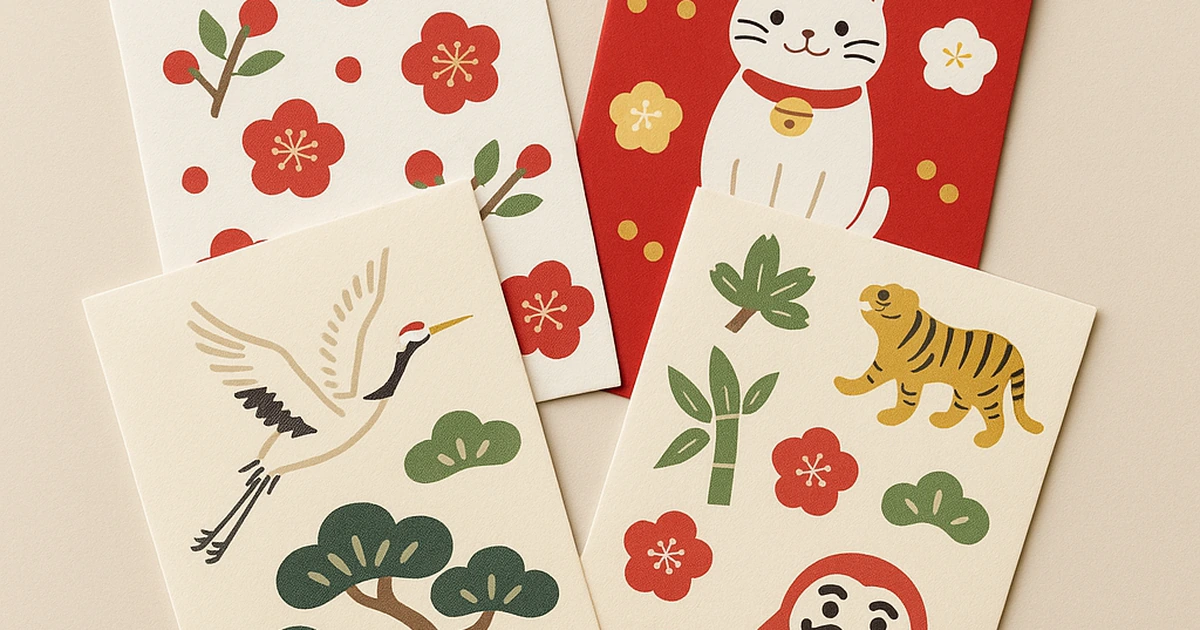
Otoshidama is usually placed in a small decorative envelope called a pochibukuro. Clean or new bills are often preferred, folded neatly to fit the envelope, and handed directly to the child.
Giving Otoshidama face-to-face matters. It’s a brief ritual: a moment where adults pass on well-wishes and children receive encouragement. The delivery reinforces that the gift carries personal meaning, not just monetary value.
Otoshidama in Modern Japan
While cash remains the norm, modern variations are increasingly common. Some families use gift cards, digital transfers, or “education fund” approaches, especially when relatives live far away.
Even with these changes, the core idea remains the same: Otoshidama marks a fresh start and expresses hope for a child’s growth in the coming year.
Trivia: Cultural Details You Might Miss
- Otoshidama is usually given after January 1 begins, not before.
- It is often given at the first New Year meeting rather than on a fixed calendar day.
- Friend-to-friend Otoshidama is uncommon and optional.
- Many families stop Otoshidama naturally when children start working.
FAQ
Can foreigners give Otoshidama?
Yes. When done thoughtfully and in moderation, it is often appreciated. Following the household’s timing and customs is the safest approach.
Is it rude to stop giving Otoshidama?
No. Stopping when a child becomes independent is common and culturally accepted. Many families see it as a natural transition rather than a loss of generosity.