
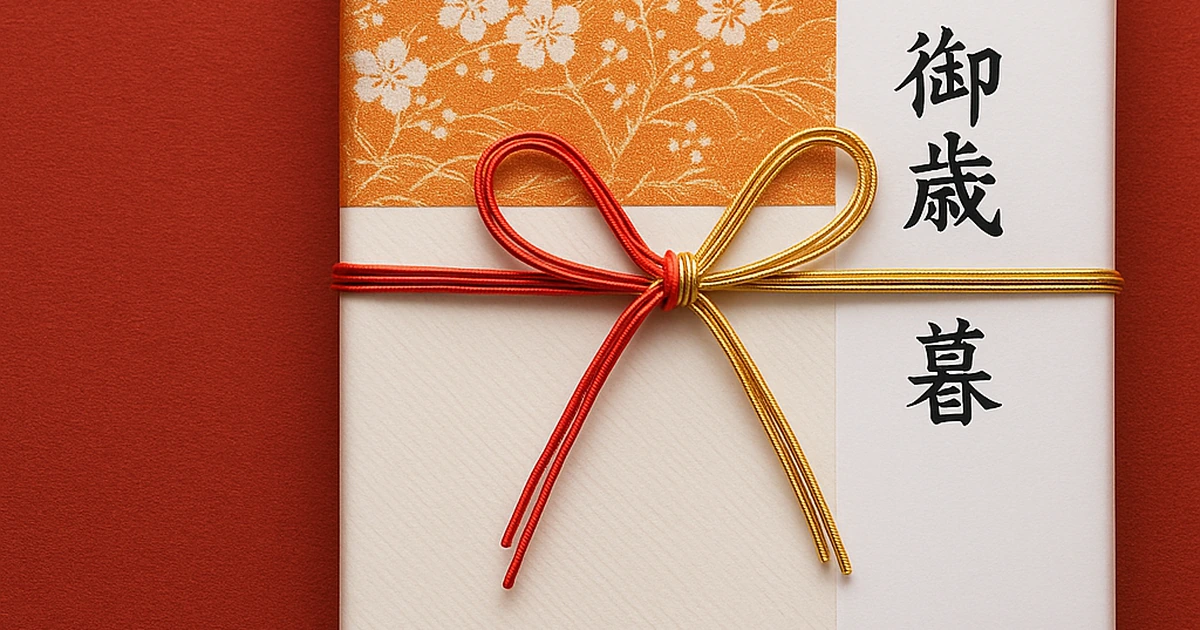

Japanese Oseibo gift
In Japan, the end of the year is not only a time for reflection but also for expressing gratitude. Oseibo is a traditional year-end gift custom that quietly maintains relationships, showing appreciation to those who supported us throughout the year.
What Is Oseibo?
Oseibo (お歳暮) is a Japanese custom of giving gifts at the end of the year to express gratitude to people who have offered support, guidance, or care. The word literally combines “year” and “end”, emphasizing reflection and closure.
Unlike casual presents, Oseibo is rooted in social relationships. It is less about celebration and more about acknowledging ongoing connections. This makes it very different from birthday gifts or holiday presents in Western cultures.
When Is Oseibo Given?
Oseibo is typically given from early December until around December 20. Giving it too close to the New Year is traditionally avoided, as the New Year is meant to begin without obligations or unfinished matters.
Timing reflects thoughtfulness. Sending a gift early shows respect for the recipient’s schedule during Japan’s busy year-end season.
Who Do You Give Oseibo To?
Oseibo is usually given to people in a position of guidance or support, such as:
- Work supervisors or business partners
- Teachers, mentors, or instructors
- Doctors or professionals who provide ongoing care
- Close relatives who regularly help the family
Friends and peers are generally not included. This reflects the cultural emphasis on acknowledging responsibility and support rather than friendship.
What Do People Give for Oseibo?
Traditional Oseibo gifts are practical and consumable. Popular choices include:
- Food items such as cooking oil, noodles, or sweets
- Alcohol like beer or sake
- High-quality everyday items that do not create burden
The idea is to give something that can be used up. This avoids creating a sense of obligation and keeps the relationship balanced.
How Oseibo Is Changing Today
In modern Japan, Oseibo has become more flexible. Many people now choose online department store catalogs, simplified gifts, or even messages of thanks instead of physical items.
While participation is declining slightly, the underlying value—expressing gratitude before the year ends—remains deeply respected.
Trivia: Cultural Details You Might Miss
- Gift prices are often similar each year to maintain balance.
- Excessively expensive gifts can cause discomfort.
- Careful wrapping is considered part of the gift itself.
- Oseibo is closely related to Ochugen, the mid-year gift tradition.
FAQ
Do you need to give something in return?
A return gift is not required, but expressing thanks is considered basic etiquette. In most cases, people simply send a thank-you note, make a short phone call, or send a message soon after the gift arrives.
This is how Oseibo is commonly handled in everyday life. A formal return gift is usually unnecessary, as Oseibo is meant to express gratitude rather than start an exchange.
However, if the gift is unusually expensive or carries special significance, some people choose to respond with a small, thoughtful item—often described as kokorobakari (“just a token of appreciation”). Others prefer to return the kindness at the next seasonal occasion, such as Ochugen or the following year’s Oseibo.
Can foreigners participate in Oseibo?
Yes. When done thoughtfully, it is often appreciated as a sign of cultural understanding.
Is Oseibo still common in companies?
It varies. Some companies discourage it to avoid pressure, while others continue the custom in a more symbolic form.