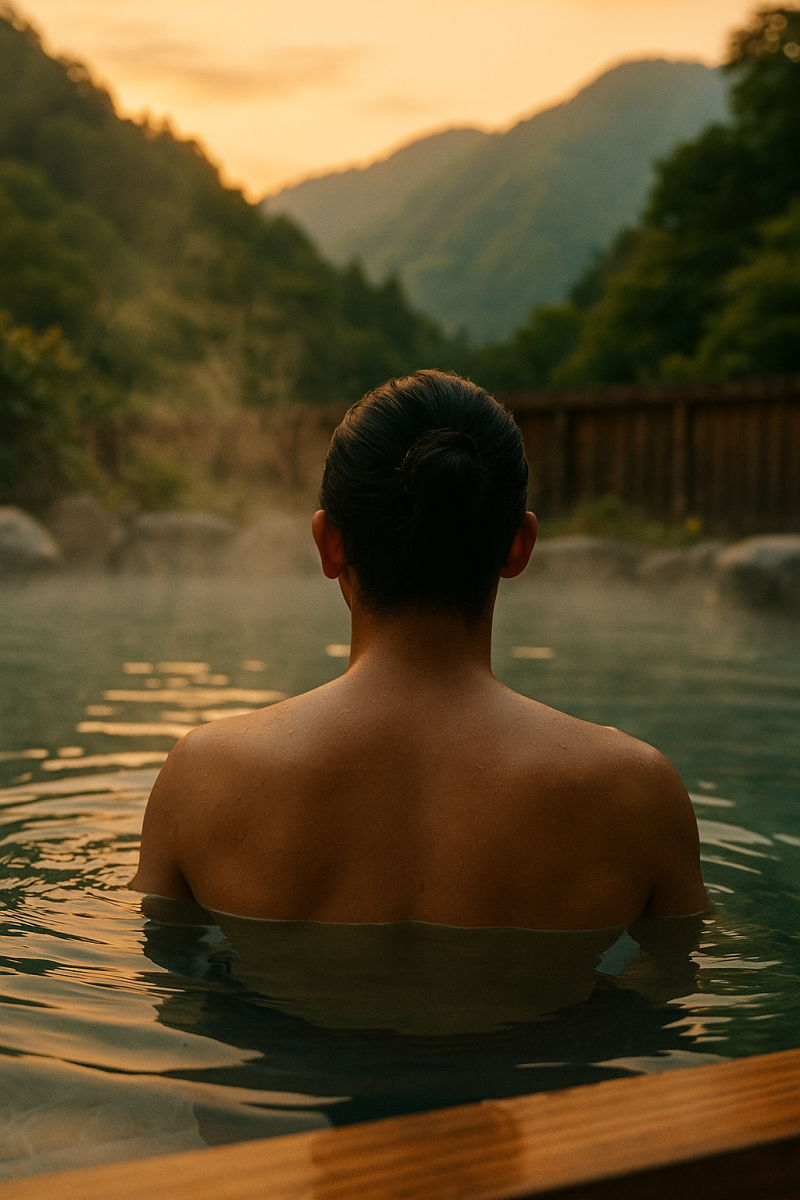

Onsen vs sento
Onsen and sento are often explained simply as two kinds of Japanese baths. However, the difference is not only about water.
In Japan, bathing is part of a wider cultural system. It includes both everyday routine and special experience. Onsen and sento represent these two sides of Japanese life.
Quick Summary
- Onsen use natural hot spring water and are often linked to travel, scenery, and relaxation.
- Sento use heated tap water and are part of everyday neighborhood life.
- The difference is not only physical, but also cultural.
- Onsen often feel special and restorative.
- Sento reflect routine, community, and daily rhythm.
The meaning of bathing in Japan
Bathing in Japan is not only about getting clean. It is also about resetting the body and mind. Washing, soaking, and relaxing are treated as separate parts of the experience, and together they create a shared cultural rhythm.
This is why baths in Japan often feel different from quick showers or purely functional washing. Bathing can be quiet, restorative, and intentional. That way of thinking helps explain why both onsen and sento remain meaningful.
Onsen: the special experience
Onsen are natural hot springs created by geothermal activity. Their water contains minerals, and the experience is often associated with relaxation, scenic beauty, and physical comfort.
Many onsen are located in mountain areas, forests, or coastal regions, so they are closely tied to travel. Visiting one often feels slower and more immersive than ordinary bathing. The atmosphere is usually calm, open, and connected to nature.
In cultural terms, onsen often represent a temporary step outside everyday routine. They are part of rest, seasonal travel, and the idea of taking time to recover.
Sento: the everyday culture
Sento are public bathhouses that use heated tap water. Historically, they played an essential role when many homes did not have private baths. Because of that, sento became part of neighborhood life rather than travel culture.
Even today, sento often feel more local and everyday than onsen. They are places where routine, familiarity, and shared space matter. A sento is not mainly about escape. It is about rhythm, habit, and community.
What is the real difference?
The most basic difference is the water. Onsen use natural hot spring water, while sento use heated tap water.
The deeper difference is purpose. Onsen are more strongly associated with travel, scenery, and special relaxation. Sento are more closely tied to local routine and everyday life.
- Onsen: natural water, travel, relaxation, special experience
- Sento: heated tap water, neighborhood life, routine, community
Why both exist
Japan developed both systems because everyday life and special experience are not treated as the same thing. Sento support ordinary rhythm. Onsen create time outside that rhythm.
Together, they show a fuller picture of Japanese bathing culture. One belongs to local daily life. The other offers rest, escape, and deeper sensory experience.
How to choose
- Choose onsen when traveling or when you want a slower, more scenic experience.
- Choose sento when you want to experience local daily life in Japan.
- Try both if you want to understand the full culture of bathing in Japan.
- If you are short on time, sento can be easier to fit into an ordinary city day.
- If you want atmosphere and nature, onsen usually offer the stronger sense of place.
Basic etiquette
- Wash your body before entering the bath.
- Do not put towels into the bath water.
- Keep noise low and respect the shared atmosphere.
- Do not swim, splash, or treat the bath like a pool.
- Follow local rules carefully, especially if signs are posted.
Etiquette matters because bathing in Japan is a shared cultural space. The goal is not only personal comfort, but also a calm environment for everyone.
Onsen and sento in Japan today
Today, onsen remain strongly connected with travel, ryokan stays, wellness trips, and seasonal escapes. Sento, meanwhile, continue to reflect neighborhood culture, though some have also evolved into stylish or revived community spaces.
This means the old distinction still matters. Onsen continue to represent a more special or destination-based experience. Sento continue to show how bathing belongs to ordinary urban life in Japan.
Trivia
- Japan has thousands of natural hot springs because of its volcanic geography.
- Sento once played a major role in city life when home baths were uncommon.
- Some modern sento are now designed as stylish cultural spaces while keeping the basic bathing tradition alive.
- For many people, onsen are tied to travel memories, while sento are tied to everyday rhythm.
FAQ
Is onsen better than sento?
Not necessarily. They serve different purposes, so the better choice depends on whether you want a special travel experience or a more local everyday one.
Is the only difference the water?
No. The water is the most basic difference, but the deeper difference is cultural role. Onsen are more connected to travel and relaxation, while sento are more connected to daily life.
Can tourists use sento?
Yes. Many sento welcome visitors, and they can be one of the best ways to experience neighborhood life in Japan.
Can you visit an onsen without staying overnight?
Yes. Many onsen offer day-use access, so you do not always need to stay at a ryokan or hotel.
Do I need to know strict rules before going?
You do not need to be perfect, but you should know the basic etiquette. Washing before entering and keeping the bath calm are especially important.
Why do both onsen and sento still matter today?
Because they represent two different needs in Japanese life: everyday routine and special restoration. Together, they show how bathing in Japan is both practical and cultural.