

Kanto Japan travel guide
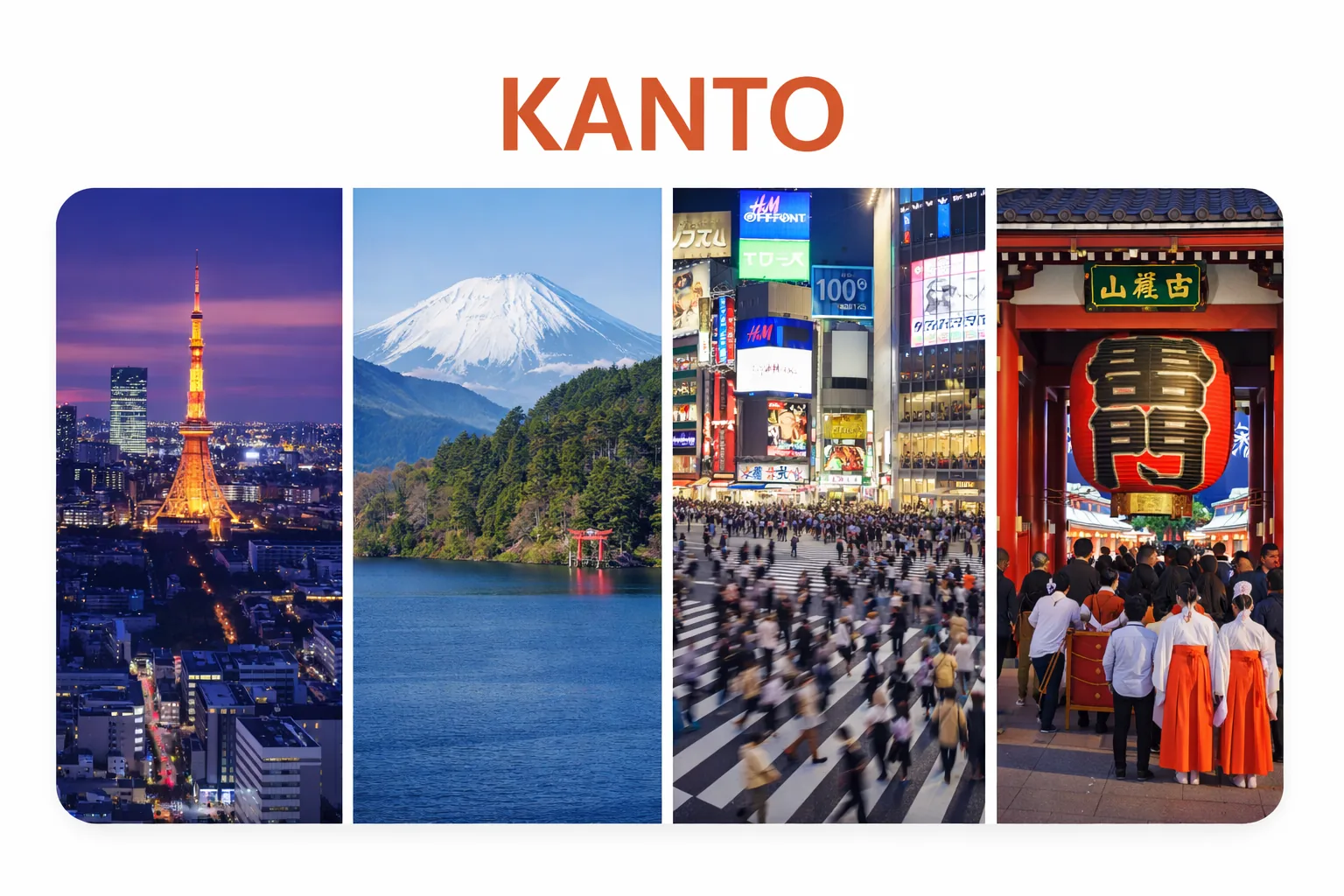
Kanto Japan Travel Guide (Greater Tokyo Area)
Kanto is Japan’s “easy logistics” region—Tokyo as a base, plus iconic day trips, coastal towns, gardens, onsen, and heritage sites. Use this page to jump into official planning links and explore related posts on The Wa Story.
Kanto is the region around Tokyo—fast rail access, famous city culture, and day trips that can feel completely different (onsen towns, coastal views, shrine-and-temple heritage, and seasonal gardens). Use this page as a “pick your base + shortlist places” hub, then dive deeper once you know your trip style.
Kanto at a glance
- Prefectures: Tokyo, Kanagawa, Chiba, Saitama, Ibaraki, Tochigi, Gunma
- Best seasons: Spring blossoms • Summer seaside & festivals • Autumn foliage • Winter onsen & illuminations
- Best for: First-time Japan trips, city + day trips, food culture, easy transport, short breaks
- Typical bases: Tokyo (most flexible), Yokohama (port-city vibe), Hakone area (onsen focus), Nikko area (heritage + nature)
Quick facts
How to choose
If it’s your first Japan trip, use Tokyo as your base and add 1–2 day trips (Hakone, Kamakura, Nikko, or a garden/park). If you want a calmer base with a city feel, consider Yokohama. If you want a reset-focused trip, do Hakone or Gunma onsen.
Getting around
Kanto is built for trains: IC cards, frequent service, and easy day trips. You’ll rarely need a car in Tokyo. A rental car can help for rural nature routes (some parts of Gunma, Tochigi highlands, coastal Ibaraki), but most classics are rail-friendly.
Timing note
This page is cultural and planning guidance, not a live forecast. Always confirm dates, closures, and access rules from the final official source before you go.
Prefectures at a glance
These are quick “what it’s known for” snapshots. (Prefecture guide links will be added later.)
Tokyo
Neighborhood culture, shrines & temples, food scenes, city gardens, iconic views.
Kanagawa
Hakone onsen, Kamakura heritage, Enoshima coast, Yokohama port-city vibes.
Chiba
Airport gateway, temple town walks (Narita), long beaches, theme-park classics.
Saitama
Old-town streets, bonsai culture, rail history, nature escapes close to Tokyo.
Ibaraki
Huge seasonal flower parks, classic gardens, coastal scenery, easy nature breaks.
Tochigi
Nikko heritage shrines, onsen valleys, flower parks, highland nature (Nasu).
Gunma
Famous onsen towns, mountain air, heritage sites, slow-travel escapes.
Popular places (editor’s picks)
Click the card for related posts on The Wa Story. The title and Official Info. open an English official/public page.
Senso-ji (Asakusa)
Classic Tokyo temple street atmosphere and photo-friendly lantern scenes.
Tokyo Skytree
Iconic views and an easy “one big landmark” plan for short trips.
Hakone (onsen + Lake Ashi)
A classic “reset” day trip or 1-night stay with mountain scenery.
Kamakura (heritage day trip)
Temple walks and coastal-air vibes—easy from Tokyo.
Tokyo Disney Resort
A full-day “one destination” plan—best booked and planned in advance.
Naritasan Shinsho-ji (Narita)
Temple grounds + approach street—great as an “arrival/departure day” plan.
Kawagoe (old town streets)
A “quick culture” day trip: warehouse streets, snacks, and strolling.
The Railway Museum
Hands-on rail history and family-friendly exhibits—easy from Tokyo.
Hitachi Seaside Park
Huge seasonal flower fields—one of the easiest “big scenery” day trips.
Kairakuen Garden (Mito)
One of Japan’s great gardens—calm walks and strong seasonal color.
Nikko Toshogu Shrine
Major heritage architecture—best as a full day trip (or 1 night).
Ashikaga Flower Park
Seasonal blooms and festival atmosphere—great for spring photo trips.
Kusatsu Onsen
One of Japan’s best-known onsen towns—perfect for a 1–2 night reset.
Tomioka Silk Mill
Industrial heritage and museum-style learning—easy to pair with an onsen night.
Want something specific? Jump to Spot search and filter by prefecture, season, or theme.
Spot search (filter)
Use filters to shortlist spots. Click a result card for related posts on The Wa Story. The title and Official Info. open an English official/public page.
Note
Filters are a starting point. Always confirm access, seasonal timing, and rules on the final official source before visiting—especially for reservations, peak-season crowd rules, and winter onsen logistics.
Starter itineraries
3 days: Tokyo base (first trip)
- Day 1: Arrive • neighborhood stroll (temple street or garden) • easy dinner
- Day 2: Iconic Tokyo day (views + food) • relaxed evening
- Day 3: Choose one day trip: Kamakura OR Hakone OR a seasonal park • depart
Tip: Use Spot Search with Prefecture = Tokyo, then pick one Kanagawa/Ibaraki/Tochigi day trip.
5–7 days: City + two day trips
- 3–4 nights: Tokyo base (city culture + food)
- 1 night: Hakone or Gunma onsen (recovery + scenery)
- 1 day trip: Nikko OR a seasonal flower/garden day (Ibaraki)
Tip: Keep it simple—two “big” day trips is enough for a balanced pace.
4 days: Onsen-first reset
- Day 1: Travel + check-in to Hakone or Kusatsu area
- Day 2: Onsen + short scenic route (lake/ropeway or town stroll)
- Day 3: Return toward Tokyo • one culture stop (temple/garden)
- Day 4: Easy morning + depart
Tip: Filter Theme = Onsen + your season, then shortlist.
Seasonal highlights
Spring
Blossoms, temple walks, and city gardens. Great time for “Tokyo + one flower park day trip.”
Summer
Coastal air (Kanagawa/Chiba), longer daylight, and festivals. Plan hydration and midday breaks.
Autumn
Crisp day trips for foliage and shrine scenery—Nikko and mountain routes feel extra rewarding.
Winter
Onsen season, clear skyline views, and cozy city pacing. Add one “hot-spring night” to transform the trip.
Travel tips
Use Tokyo as the “flex base”
It’s tempting to move hotels often—don’t. One base + 1–2 day trips usually feels best.
Plan for crowd timing
Go early for famous spots. Weekdays are often calmer; reservations may be required for some experiences.
Add one onsen moment
Even a single onsen stay can shift the trip from “busy sightseeing” to “recovery + culture.”
Need the basics first? Start with Etiquette Basics.
FAQ
Is Kanto good for first-time visitors to Japan?
Yes—Kanto is often the easiest first trip because transport is simple and day trips are plentiful. If you want balance, do Tokyo + one heritage day (Kamakura/Nikko) + one reset day (Hakone/onsen).
Do I need a rental car?
Usually no. Tokyo and most classic day trips are rail-friendly. A car helps mainly for rural nature loops or specific coastal routes.
How many days do I need?
A long weekend (3–4 days) works well for Tokyo + one day trip. For a more relaxed pace with an onsen night and two day trips, 5–7 days is comfortable.