

Introduction
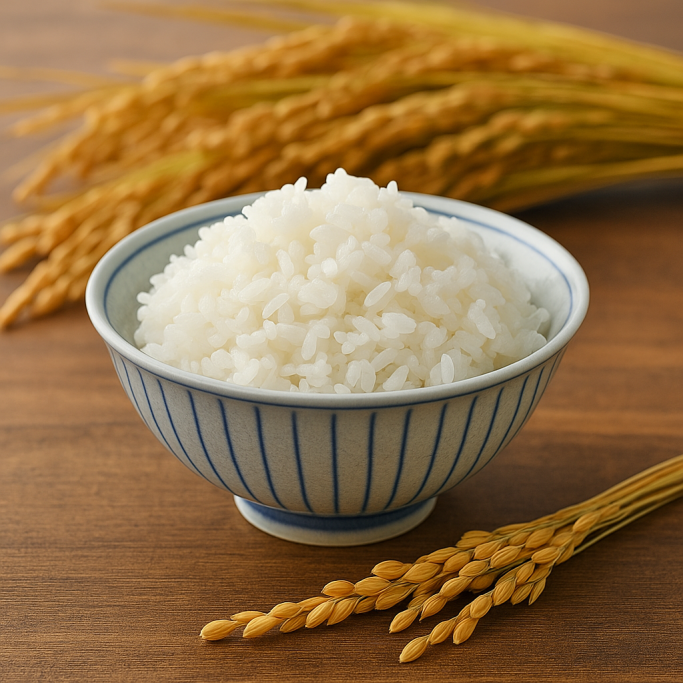
In Japan, autumn brings the arrival of shinmai, or newly harvested rice. For many families, tasting shinmai marks the start of a new season and is considered a symbol of abundance and gratitude.
What is Shinmai?
Shinmai (新米) literally means “new rice.” It refers to rice harvested in the current year, typically between August and October. It has higher moisture content, a softer texture, and a sweeter flavor compared to rice stored over time.
Season & Availability
Shinmai appears in supermarkets and rice shops from early autumn. Its freshness makes it particularly prized, and many regions promote it as a seasonal specialty.
Look for labels such as:
- 「令和〇年産新米」 (indicating harvest year)
- 「新米コシヒカリ」「新米あきたこまち」 (specific varieties)
How to Enjoy Shinmai
- Simple Steaming: Cook with slightly less water to highlight its natural sweetness.
- Onigiri (Rice Balls): Best enjoyed plain with just a touch of salt.
- Traditional Offerings: Used for seasonal rituals, harvest festivals, and family celebrations.
Cultural Significance
Shinmai is more than food—it’s a symbol of gratitude toward nature and farmers. Some regions hold Niinamesai, a traditional harvest festival where freshly harvested rice is offered to the deities before being eaten.
Tips for Presentation
- Serve in a simple white bowl to show off its glossy appearance.
- Pair with seasonal side dishes such as grilled sanma (Pacific saury) or miso soup.
- Photograph in natural light to capture the shine and steam.
Summary
Shinmai is a cherished autumn tradition in Japan, celebrated for its freshness and taste. Enjoying it simply and mindfully is a way to connect with the season, local farmers, and centuries-old customs.
FAQ
Q: When is shinmai season?
A: Usually from late summer through autumn (August–November), depending on the region.
Q: Does shinmai taste different from regular rice?
A: Yes, shinmai is softer, slightly sticky, and has a sweeter aroma compared to stored rice.