
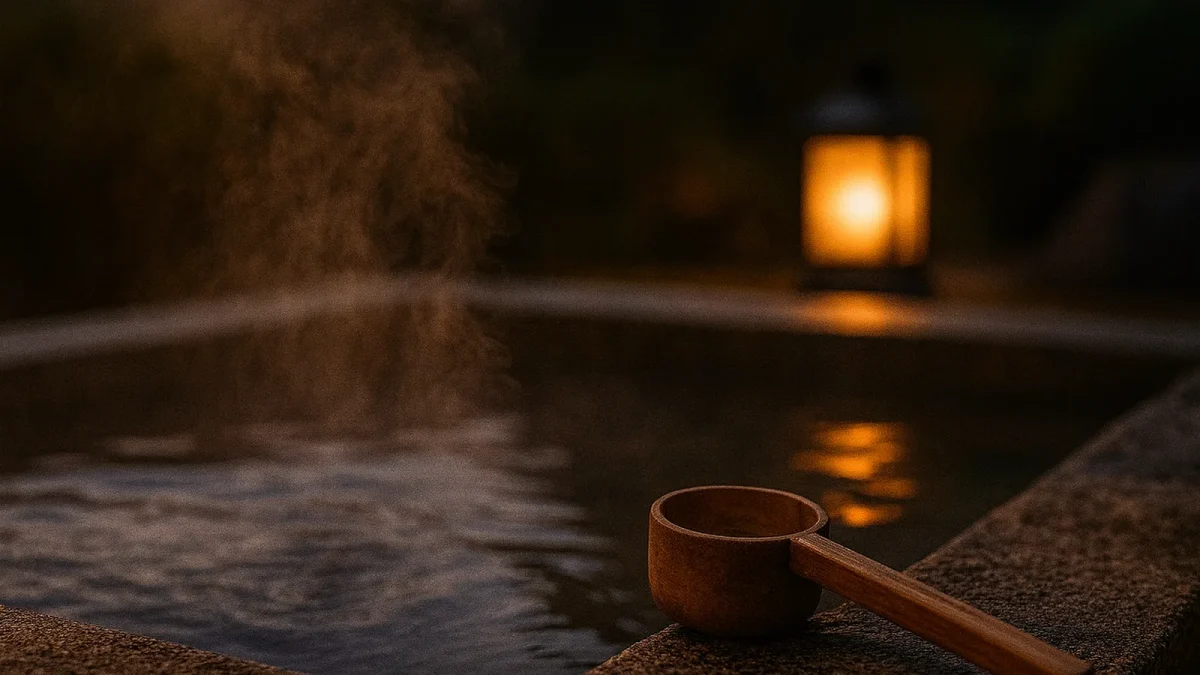

Onsen etiquette
Hot spring bathing is calm, quiet, and shared. Therefore, a few clear rules make your first visit easy. As a result, you can relax, respect others, and enjoy mineral water without stress. In addition, this guide front-loads facts so you know exactly what to do from door to tub.
Table of Contents
- When
- Where
- Onsen etiquette – basics
- How to observe today
- Etiquette & Common Mistakes
- For more details
- TRIVIA
- FAQ
- Related Internal Links
- External Resources
When (Onsen etiquette)
Onsen runs year round. However, early morning and late evening feel calmer and suit first timers. Meanwhile, weekdays are quieter than weekends, and shoulder seasons reduce crowds. After heavy rain or snow, outdoor pools may close for safety. Therefore, check notices at the entrance before you pay.
Where (Onsen etiquette)
Look for public onsen houses in hot spring towns, hotel day baths, and large super sento in cities. Additionally, rural inns welcome day guests at set hours. Moreover, many stations post maps that point to local baths. Cash or transit IC works at a ticket machine or counter. Consequently, a small towel and coins are handy.
Onsen etiquette – basics
Bathing areas are shared spaces. Therefore, you wash before soaking, keep voices low, and avoid splashing. Soap and shampoo are for the washing zone only, and towels stay out of the tub. As a result, water stays clean and the room remains peaceful for everyone.
Short steps guide the flow. First, remove shoes and store items. Next, sit to wash and rinse the station. Then, enter slowly and rest between pools. In addition, tie long hair up, lock phones, and move with small motions. Finally, dry lightly before the locker room to keep floors safe.
How to observe today
Modern facilities make the process simple. City super sento combine hot springs, saunas, and rest zones. Meanwhile, rural ryokan offer day use during fixed hours. Because signs favor icons and short text, you can follow the route even with basic English or simple Japanese.
Payment norms are straightforward. Many venues accept cash, transit IC, or QR codes. However, locker systems differ, so carry coins just in case. Therefore, prepare a small pouch for keys, hair ties, and a dry face towel.
Hygiene shapes each step. First, sit to wash and rinse soap away. Next, keep your towel dry and out of the water. Then, change pools slowly and give space at steps. Moreover, avoid strong perfume and heavy oils before bathing; mineral water carries scent. Finally, plan short soaks, drink water, and rest between rounds.
- Choose a venue. First, check hours, fees, and tattoo policy on the site or at the desk.
- Buy entry. Next, use a ticket machine or counter; keep small bills ready.
- Store items. Then, use a locker; remove jewelry to protect skin and drains.
- Wash seated. Meanwhile, rinse your stool and faucet before and after use.
- Enter slowly. Therefore, ease in and do not dive or splash.
- Rotate pools. In addition, rest between tubs; hydrate and cool down.
- Exit tidy. Finally, dry lightly, then dress; leave the area clean.
Etiquette & Common Mistakes (Onsen etiquette)
- Skipping the wash. Always wash and rinse before the first soak; otherwise, oil and soap cloud the tub.
- Putting towels in water. Keep towels dry and out of all pools; fold one on your head or place it nearby.
- Standing showers. Sit while washing to prevent spray on others. Therefore, use the stool and short hose.
- Fast movements. Do not swim, dive, or splash. Moreover, give way at steps and corners.
- Phone use. Cameras violate privacy. Consequently, most venues ban devices in bathing zones.
- Hair and products. Tie long hair and rinse conditioner fully to keep water clear. In addition, avoid heavy oils.
- Overheating. Limit each soak. If lightheaded, sit, drink water, and exit early. Meanwhile, cool down before the next tub.
- Noise and scent. Keep voices low; avoid perfume and strong hair products. As a result, the room stays neutral.
For more details
Customs vary by region and venue. For example, some inns practice a warm pre-rinse called kakeyu. Mixed bathing exists but remains rare. In addition, family rooms help parents with children. Useful phrases include “Kippu wa doko desu ka” for tickets and “Tattoo OK desu ka” to confirm tattoo policy. Finally, older sites may need coins for lockers.
TRIVIA
Many venues trace the spring source on a wall map. Minerals differ by region, so water may look milky, clear, or rusty. Consequently, tubs feel soft or slick and hold heat differently. Therefore, regulars rotate pools to compare textures and warmth.
FAQ
Do I need to bring soap
Many venues provide basics. However, bring your own if you have allergies or sensitive skin.
Are tattoos allowed
Policies vary. Therefore, check signs or ask staff. In addition, some places sell cover seals or offer private rooms.
Can children enter
Yes, with a guardian. Moreover, keep voices low and choose family times if posted.
What should I bring
A small towel, hair ties, water, and coins for lockers. In addition, carry a sealable pouch for keys and rings.
How long should I stay
Short sessions work best. For example, soak 5 to 10 minutes, rest, hydrate, and repeat.
Related Internal Links
External Resources
- JNTO – Japan National Tourism Organization
- Web Japan – Government of Japan
- Ministry of the Environment, Japan

You must be logged in to post a comment.