

Koromogae
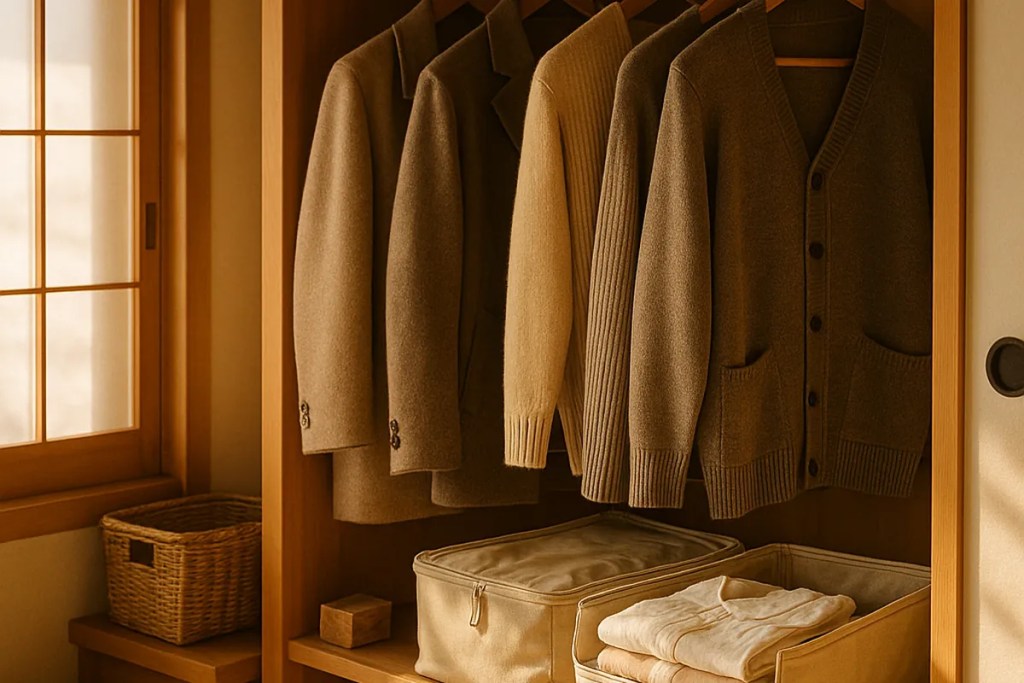
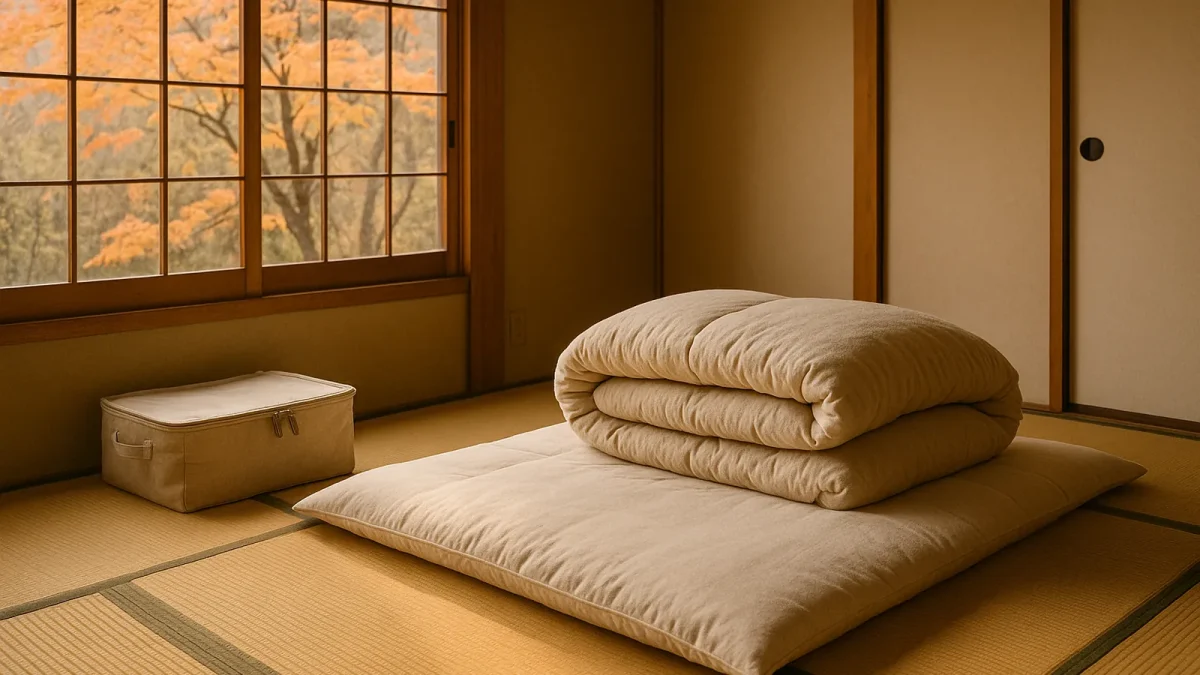
Koromogae (衣替え) is Japan’s biannual wardrobe switch. In early October, many schools and offices move to autumn/winter attire. Although dress codes are looser today, the custom still signals seasonal awareness, harmony, and care for appearance.
What is koromogae?
Traditionally, koromogae occurs twice: around June 1 for summer clothes and around October 1 for autumn/winter. In kimono terms, people shift from unlined hitoe to lined awase. Uniformed settings—schools, public offices, some companies—often announce the switch, though timing varies by region and climate.
Etiquette & how to do it today
- Read the room: Follow local norms or workplace guidance; otherwise, move gradually in early October.
- Comfort and neatness: Replace light fabrics with mid-weight layers while keeping a tidy silhouette.
- Kimono nuance: Early October favors awase (lined) and understated autumn motifs.
- Transitional days: Use vests or scarves when days are warm yet evenings cool.
Why this custom matters
Beyond practicality, koromogae expresses kisetsukan—attentiveness to the season—and, therefore, consideration for others. By adjusting one’s dress together, people show they are in step with time and place, which quietly reinforces wa (social harmony).
For cultural enthusiasts (intermediate)
Historically, court and samurai wardrobes followed calendrical rules; during the Meiji era, those rhythms merged with modern uniforms. Consequently, koromogae links material culture with nature and social order, demonstrating how aesthetics, climate, and community interrelate.
TRIVIA
- Southern regions may delay koromogae when heat lingers.
- Railway and municipal staff sometimes coordinate uniform changes on the same date.
- Seasonal foods echo the shift—first bowls of oden and the scent of matsutake announce autumn.
FAQ
Q: When exactly is koromogae in autumn?
A: Around October 1, with flexibility by region or institution.
Q: Is koromogae mandatory today?
A: No. It’s mostly a cultural rhythm; follow local guidance and comfort.
Q: What if it’s still hot?
A: Transition gradually—light layers are acceptable until temperatures drop.
Q: What does “koromogae” mean?
A: Literally “changing clothes.” In practice, it’s a coordinated seasonal switch.
You must be logged in to post a comment.