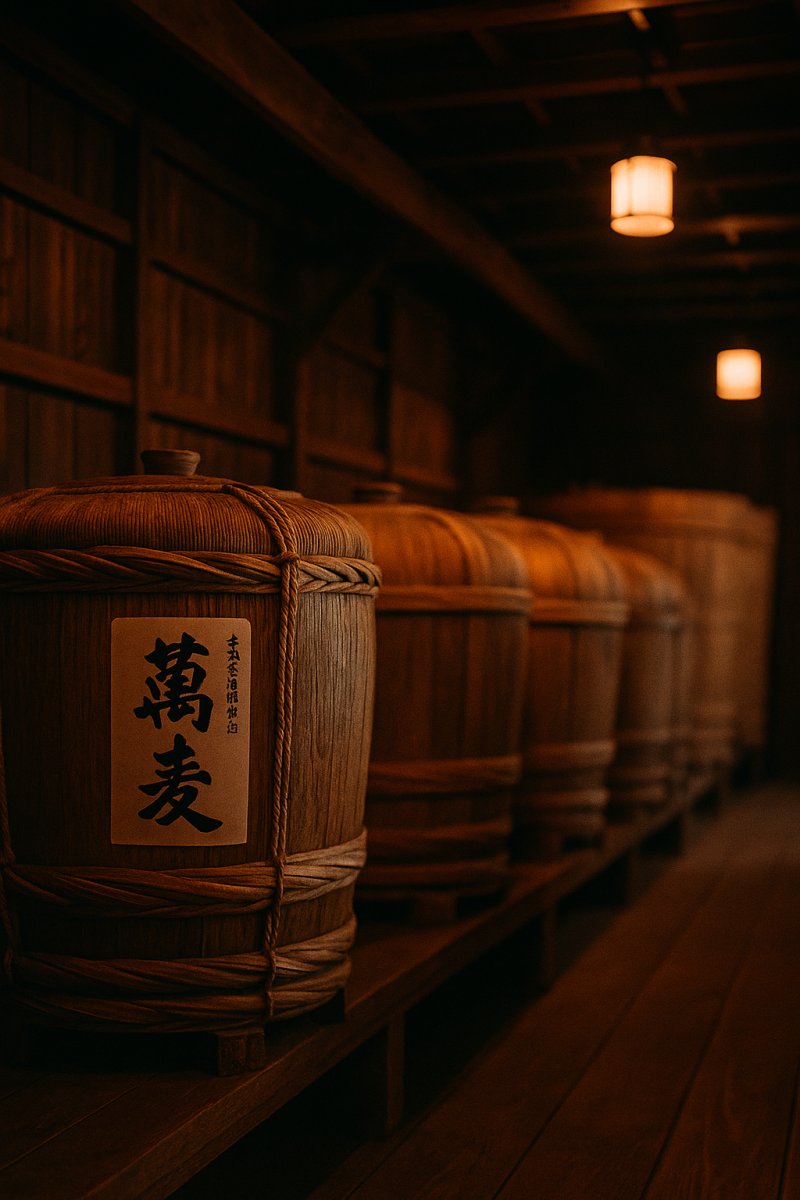

Introduction – Why Alcohol by Prefecture Matters
Japanese alcohol is not just sake – it’s a reflection of climate, ingredients, and local culture.
Each prefecture has its own specialty, from crisp rice sake in Niigata to sweet potato shochu in Kagoshima and award-winning wines in Yamanashi.
Exploring alcohol by prefecture is a journey into Japan’s terroir, traditions, and craftsmanship.
History & Evolution – Regional Alcohol Development
| Era / Period | Key Developments | Cultural Context |
|---|---|---|
| Ancient Times | Rice fermentation introduced from China, early sake brewing begins | Alcohol used for rituals and offerings |
| Edo Period (1603–1868) | Nationwide spread of sake breweries, refinement of polishing techniques | Sake becomes common drink for celebrations |
| Meiji Period (1868–1912) | Introduction of beer and Western distilling techniques | Birth of Japanese whisky (late Meiji) |
| Post-War (1945–1970s) | Shochu gains popularity, mass production of beer | “Salaryman” beer culture emerges |
| Modern Era | Craft beer boom, natural wine, artisanal sake | Focus on terroir, premium sake, global export |
Styles & Types – What Makes Each Prefecture Unique
| Region / Prefecture | Specialty Alcohol | Key Traits |
|---|---|---|
| Niigata | Sake (Junmai, Ginjo) | Dry, crisp, clean taste (“Tanrei Karakuchi”) |
| Akita | Sake | Rich, umami-forward, snowy brewing climate |
| Kagoshima | Imo Shochu (Sweet Potato) | Earthy, robust, best served warm |
| Okinawa | Awamori | Distilled from Thai rice, aged in clay pots |
| Yamanashi | Wine | Japan’s top wine region, Koshu grape whites |
| Hokkaido | Beer & Dairy-based Liqueurs | Sapporo Beer’s birthplace, craft beer hubs |
💡 Tip: This table can be expanded with detailed information for all 47 prefectures → See the full “Alcohol by Prefecture” page
Production & Ingredients – Local Materials and Techniques
- Rice Types: Yamadanishiki (Hyogo), Gohyakumangoku (Niigata), Omachi (Okayama)
- Water: “Miyamizu” (Nada region) soft/hard water differences
- Techniques: Kimoto/Yamahai brewing methods, Koji mold selection, barrel aging for shochu and whisky
- Innovation: Sparkling sake, low-alcohol options, new yeast strains
Culture & Drinking Traditions
- Ceremonial Use: Kagami-biraki (barrel opening ceremony) at weddings and events
- Seasonal Customs: Kanpai with warm sake in winter, cold nama sake in spring
- Prefectural Identity: Kagoshima’s shochu culture, Niigata’s sake pride, Okinawa’s Awamori traditions
- Pairings: Sake with sushi, shochu with yakitori, umeshu as aperitif
Recommended Brands by Prefecture
- Niigata: Hakkaisan, Koshino Kanbai
- Akita: Dewatsuru, Kariho
- Kyoto: Gekkeikan, Tamagawa
- Kagoshima: Satsuma Shiranami (shochu)
- Yamanashi: Grace Wine (Koshu)
- Hokkaido: Sapporo Classic (beer)
🔗 Explore more: See the full list of brands by prefecture
Where to Experience
- Sake Breweries: Nada (Hyogo), Fushimi (Kyoto), Niigata Prefecture
- Shochu Distilleries: Kagoshima, Miyazaki
- Whisky Distilleries: Yamazaki (Osaka), Yoichi (Hokkaido)
- Bars & Festivals: Sake no Jin (Niigata), Tokyo Sake Festival, izakaya hopping in Shinjuku Golden Gai
🔗 Plan your visit: View brewery and distillery map
Glossary
- Junmai / Ginjo / Daiginjo: Rice polishing levels and brewing categories
- Koji: Mold used to convert starch to sugar
- Shochu vs. Awamori: Distilled drinks; Awamori uses Thai rice and black koji
- Umeshu: Plum liqueur, sweet and low-alcohol
- Kanpai: “Cheers!” in Japanese