

Higan
Higan in Japan — Meaning, Customs, and Visitor Tips
Table of Contents
Why Higan Matters
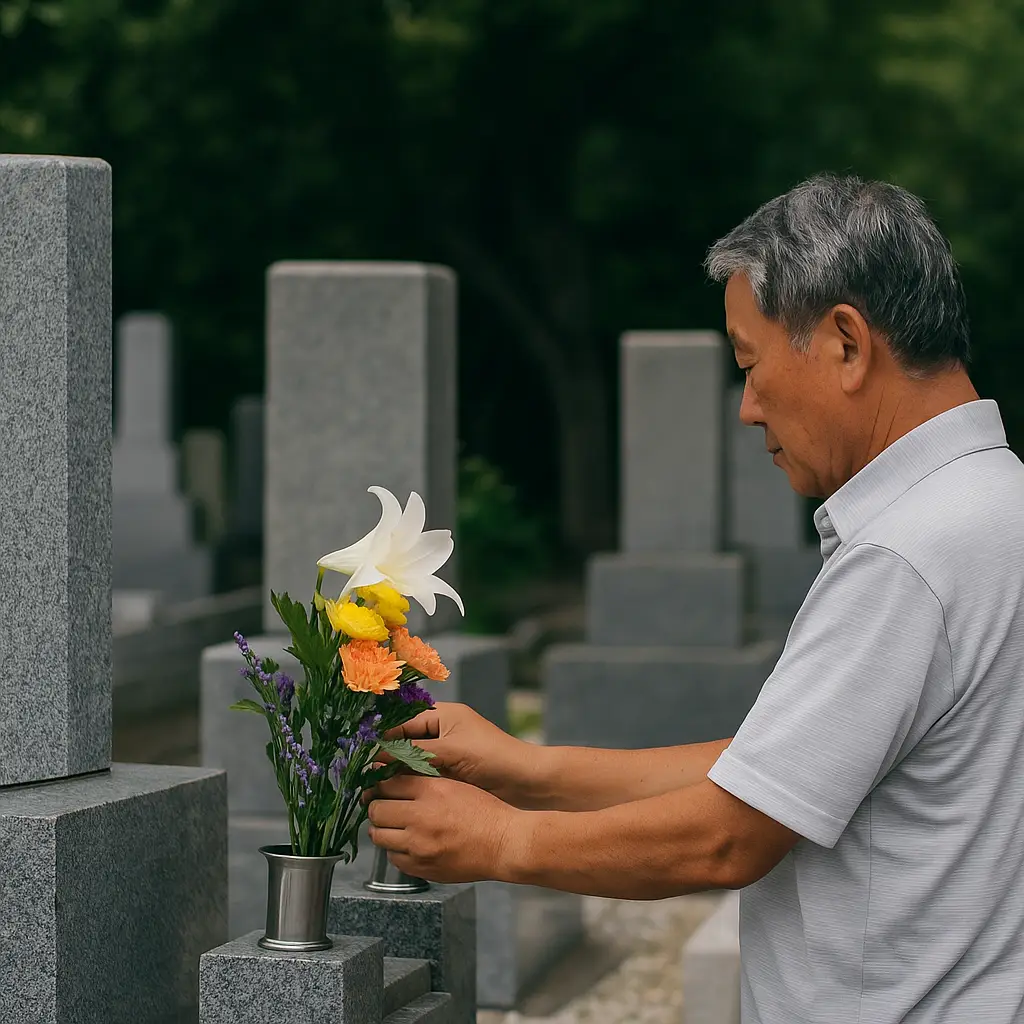
Higan (also called Ohigan) is a seven-day period centered on the spring and autumn equinoxes. Families take time to remember ancestors, visit graves, and reflect on balance—when day and night are roughly equal. Autumn Higan connects with harvest gratitude and seasonal transition.
Background & Meaning
Higan literally means the “other shore,” a Buddhist concept of enlightenment. The period spans three days before and after the equinox. Historically, it became a widespread custom in Japan to combine Buddhist memorial practices with seasonal appreciation of nature and family bonds.
Customs & Practices
- Grave visits: cleaning stones, offering flowers, incense, and water.
- Home altars: arranging seasonal flowers and favorite foods of ancestors.
- Temple visits: attending memorial services or lighting candles.
- Family time: sharing simple meals and stories that honor relatives.
Manners & Etiquette
- Dress modestly and behave quietly at graves and temples.
- Follow posted rules for offerings, photography, and trash disposal.
- Do not step on graves or block narrow paths.
- Ask permission before close-up photos of people or private rites.
Offerings & Foods
- Ohagi / Botamochi: sweet rice balls with azuki paste (popular around the equinox).
- Seasonal produce: chestnuts, persimmons, taro, sweet potatoes.
- Simple drinks: tea or water offerings at graves/altars.
Present-Day Practices
- Many families combine cemetery visits with modest gatherings or temple stops.
- Public facilities operate normally, but some temples/gardens offer special hours or events.
- Shops and wagashi stores often feature seasonal ohagi.
Tips for Foreign Visitors
- Expect crowds at popular cemeteries and temples during Higan.
- Bring small coins for offerings and candles.
- Use public transport where possible; parking can be limited.
- Try seasonal sweets like ohagi at local shops.
FAQ about Higan
Q: When is Higan?
→ It’s the seven-day period centered on the spring and autumn equinoxes (three days before and after).
Q: Is Higan a public holiday?
→ The equinox days themselves are national holidays; the entire seven-day Higan period is not.
Q: Do I need special attire?
→ No—modest, respectful clothing is sufficient for grave/temple visits.
Q: Are shops closed?
→ Most shops stay open, though some facilities may have holiday schedules around the equinox day.