
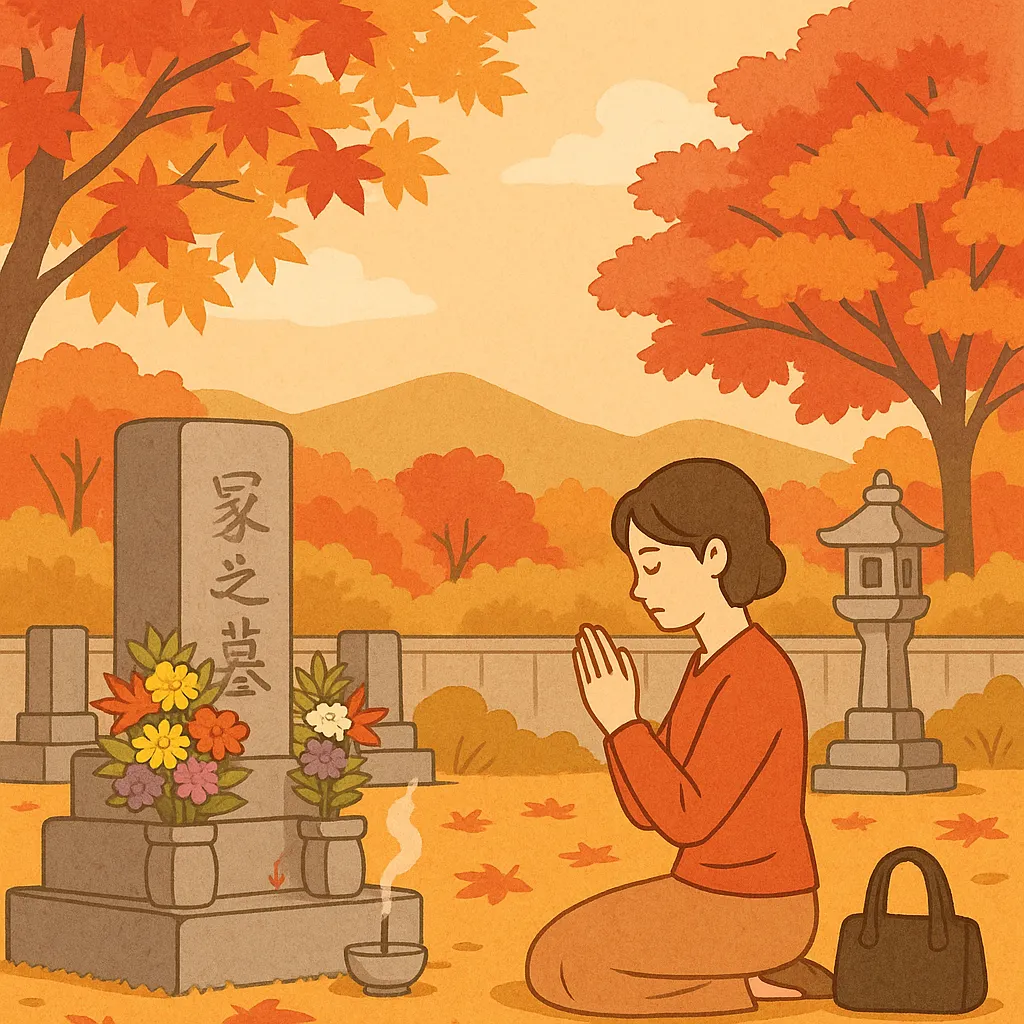

Autumn Equinox Japan
Autumn Equinox in Japan — Shūbun no Hi & Ohigan
Table of Contents
Why the Autumn Equinox Matters
The autumn equinox marks the shift toward cooler days and the harvest season. In Japan, it is a time to reflect on impermanence and balance—day and night are roughly equal—and to honor family bonds and ancestors.
Background & Public Holiday
Shūbun no Hi (Autumnal Equinox Day) is a national holiday that usually falls around September 22–23. The specific date varies each year based on astronomical calculation. Historically, the day shifted from a Shintō-related observance to a non-religious national holiday after World War II, emphasizing respect for nature and remembrance of ancestors.
Ohigan Customs
Ohigan is the seven-day period centered on the equinox (three days before and after). Families often:
- Visit graves to clean stones, offer flowers, incense, and water.
- Offer seasonal sweets like ohagi/botamochi (sweet rice with azuki paste).
- Spend quiet time with relatives, reflecting on gratitude and balance.
Manners & Etiquette
- Dress modestly and behave quietly at cemeteries and temples.
- Do not disturb other visitors; avoid blocking paths or photo spots.
- Follow local rules for offerings and trash disposal.
- Ask before taking close photos of ceremonies or private graves.
Present-Day Practices
- Many people combine cemetery visits with simple family meals.
- Museums, gardens, and temples may hold seasonal events or night openings.
- Public services generally operate as usual, but some facilities may have holiday hours.
Tips for Foreign Visitors
- Expect crowds at popular temples and cemeteries during the Ohigan period.
- Bring small change for temple offerings and candles.
- Check holiday hours for museums and gardens in advance.
- Enjoy seasonal sweets like ohagi sold at wagashi shops around the equinox.
FAQ about Autumn Equinox
Q: Is the Autumn Equinox a public holiday?
→ Yes. The date is set each year based on astronomical calculations.
Q: What is Ohigan?
→ A seven-day period (three days before and after the equinox) for honoring ancestors and visiting graves.
Q: Are shops closed?
→ Most shops remain open, but some facilities may use holiday schedules.
Q: What sweets are associated with the day?
→ Ohagi/botamochi—sweet rice balls with azuki paste.
Learn More
- Autumn Festivals in Japan — Traditions and Customs
- Japanese Tea Ceremony in Autumn
- Matcha in Japan — Tradition, Health, and Modern Culture
- Autumn Leaves Viewing in Japan — Koyo Traditions and Manners
- National Astronomical Observatory of Japan (NAOJ)
- NAOJ — Calendar & Ephemeris (holidays & equinox data)
- Kids Web Japan (MOFA) — Autumnal Equinox Day
- JNTO — Seasonal Events: Autumn